The pest control industry stands at a crossroads. Digital tools, consumer expectations, and green values are changing the rules. For pest control businesses, the time to act with digital marketing strategies is now. Those who adopt these trends won't just survive. They'll thrive in a market that keeps getting more crowded. Think of this guide as your map through these changes. It gives you the strategies and ideas you need to run a tighter shop, expand your reach, and build a strong future in pest control.
Industry Trends and Market Evolution
Strategic Overview
The pest control industry is changing fast. Digital tools, new consumer habits, and green values are reshaping how successful pest control businesses run and grow. This section looks at the key trends and what they mean for your business.
Market Transformation Evidence
Picture Eden, who runs Green Pest Elimination in Asheville (a fictional company we use as an example in this guide). Once Eden's team began focusing on digital transformation and sustainability, they weren't just changing their operations. They were getting ready for where the market was heading. Eden's story points to a hard truth that pest control businesses face today.
Key Industry Trends Shaping Pest Control
One of the biggest trends is the digital presence revolution. Local SEO matters more every year for pest control companies that want nearby customers. When you tune up your online presence, you make sure people can find your services fast. If you want to sharpen your local SEO skills, our guide on local SEO strategies has some handy tips.
1. Digital Presence Revolution
Strategic Impact
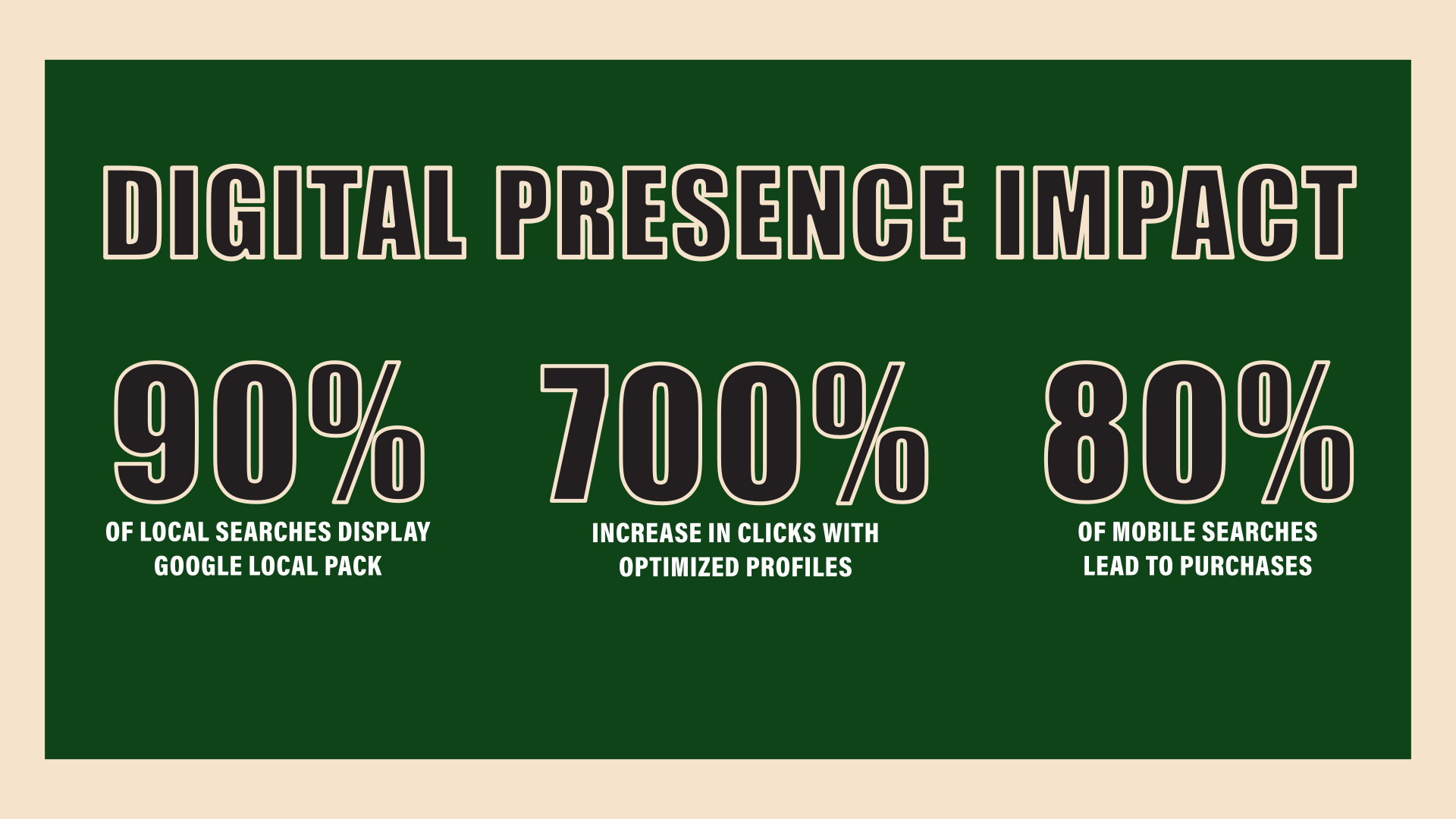
Local search is now the foundation of pest control marketing. A Whitespark study found the Google Local Pack showed up for 93% of local-intent searches. Pest control companies that land a spot in these local results get in front of people who are ready to hire. Better yet, Google's own research found that 76% of people who search on their smartphones for something nearby visit a business within a day, and 28% of those searches end in a purchase. That goes straight to your revenue.
Implementation Requirements
- Google Business Profile optimization
- Local SEO strategy development
- Mobile-first website design
- Customer review management
- Local content creation
2. Technology Integration
Tech in pest control isn't only about smart pest control solutions. It also plays a big part in marketing. The right tech can widen your reach and help you connect with potential customers. If you're looking at how to put tech to work in your marketing, you might enjoy our thoughts on blogging for pest control.
Strategic Impact
Smart pest control solutions, IoT sensors, and AI monitoring systems are becoming standard. These tools aren't just making service better. They're opening new revenue streams and new ways to stand out.
Key Technologies
- Smart monitoring systems
- IoT sensors for early detection
- AI-powered pest identification
- Automated treatment systems
- Data analytics platforms
3. Sustainability Leadership
Market Drivers
Green values shape what people buy more than ever. WorkWave reports rising consumer demand for eco-friendly pest control, including Integrated Pest Management (IPM) and botanical-based products. Companies that offer these options give customers one more reason to choose them.
Implementation Framework
- Eco-friendly treatment methods
- Sustainable practices certification
- Green marketing strategies
- Environmental impact reporting
- Customer education programs
4. Video Marketing Dominance
Video is fast turning into a major force in marketing, and pest control companies can gain a lot from it. Good video marketing strategies let you show off your services and skills. They also help you stick in the minds of potential clients. For ideas on how to work video into your marketing, check out our article on video marketing strategies.
Market Data
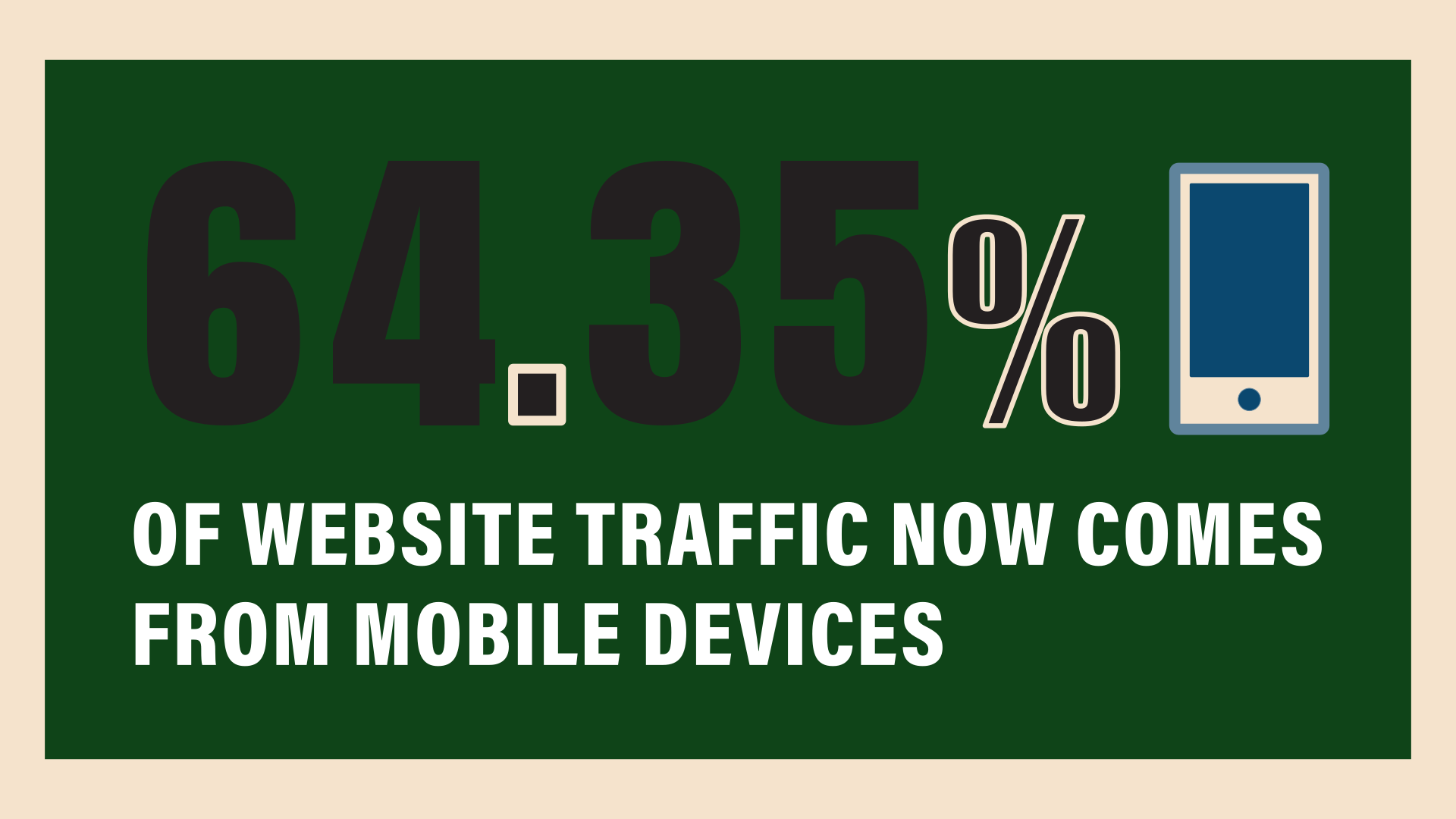
According to Exploding Topics' mobile usage study, mobile devices drove 63.05% of website traffic in December 2024 and 64.35% by May 2025.
Firework's marketing research shows that short-form video is becoming a big deal: 73% of consumers use short-form videos when searching for new products or services.
Personify Corp's analysis reports that 88% of marketers say video has improved their ROI.
The often-repeated claim that video makes up 82% of internet traffic comes from an old Cisco forecast, as Vidico's industry analysis points out. The measured figure: video made up around 75% of all mobile data traffic at the end of 2025, per the Ericsson Mobility Report. And Synthesia's digital trends report finds the average internet user now spends more time each week watching online video (11 hours 39 minutes) than traditional TV (10 hours 15 minutes).
Strategic Applications
Essential video content types:
- Quick treatment demonstrations
- Before/after results
- Customer testimonials
- Safety tip videos
- Educational pest identification
5. Data-Driven Operations
Strategic Impact
CRM systems, marketing data, and service metrics now work together. That helps pest control businesses make smarter calls on everything from where to expand to how to set prices.
Implementation Requirements
- CRM system integration
- Analytics platform setup
- Performance tracking systems
- Data-driven decision frameworks
- Regular reporting procedures
Market Opportunities and Challenges
Growth Drivers
- Urbanization Impact
- Increasing pest pressure in developing areas
- Growing demand in suburban regions
- New construction opportunities
- Commercial sector expansion
- Climate Change Effects
- Changing pest patterns
- Extended pest seasons
- New species emergence
- Adaptation requirements
Competitive Field
- Market Differentiation
- Technology adoption
- Service specialization
- Environmental focus
- Customer experience enhancement
- Regulatory Environment
- New pesticide regulations
- Environmental compliance
- Safety requirements
- Certification standards
Action Steps
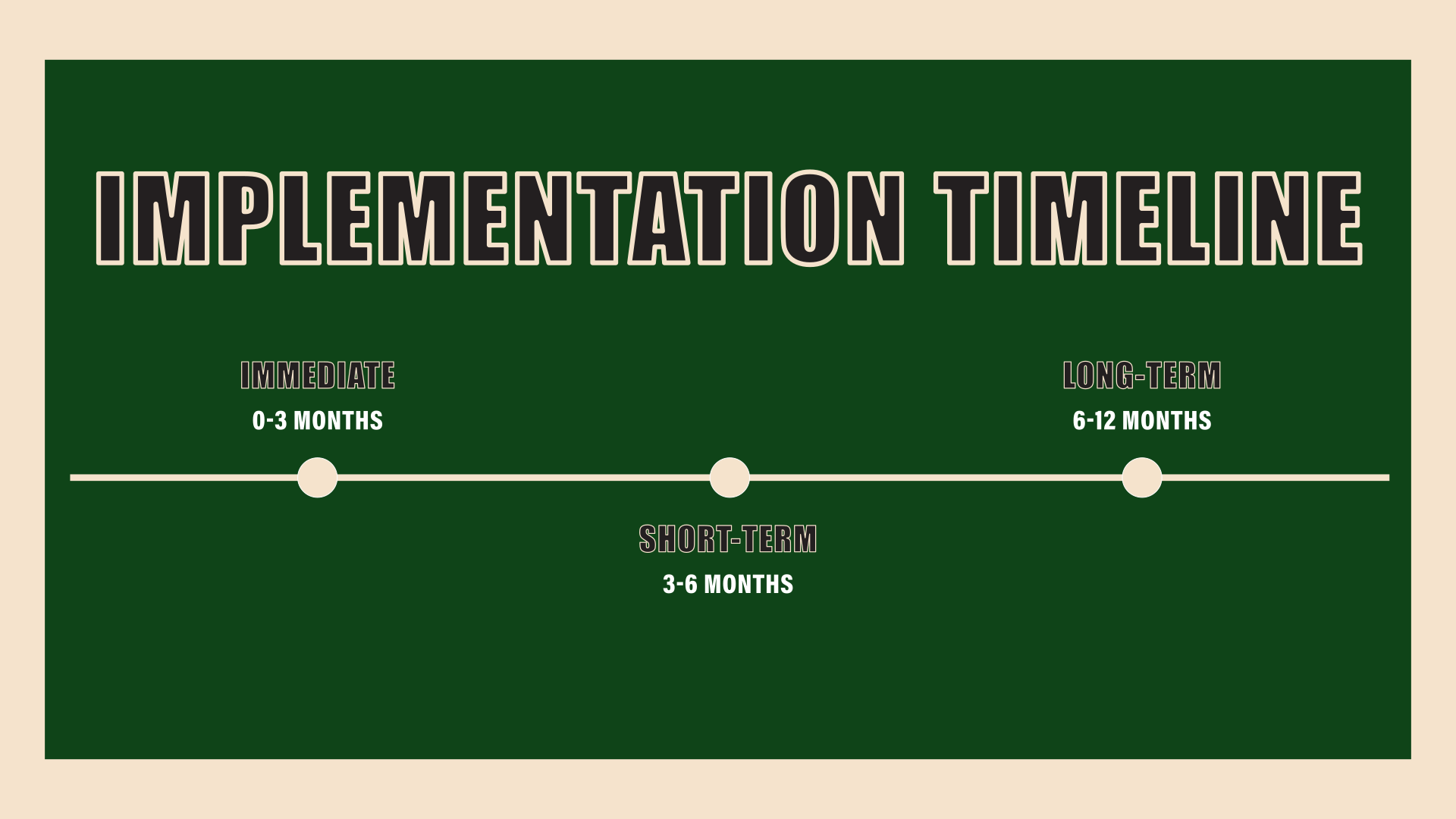
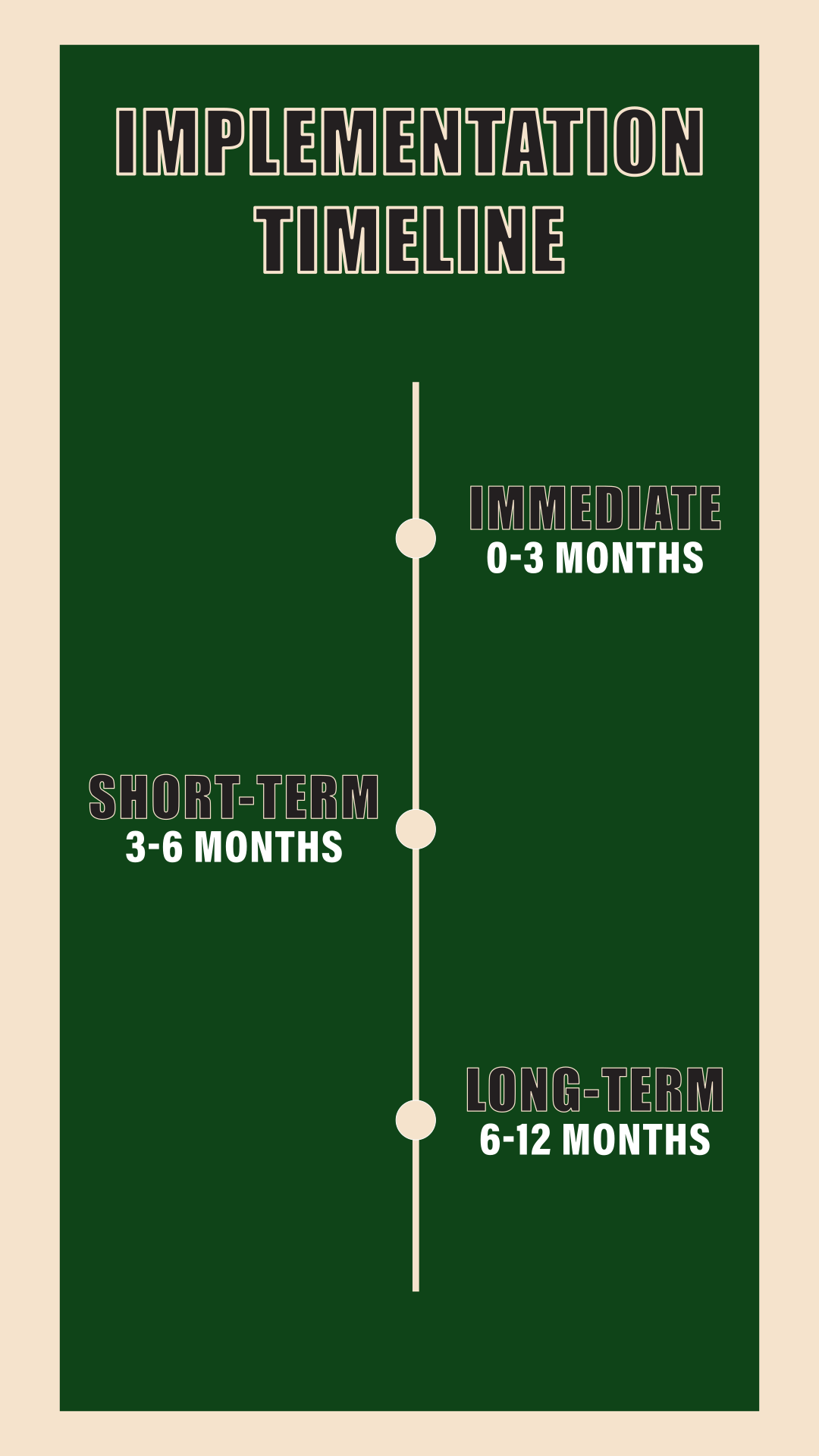
- Immediate (0-3 months)
- Digital presence audit
- Technology assessment
- Sustainability evaluation
- Video content planning
- Short-term (3-6 months)
- Implementation of key technologies
- Staff training programs
- Marketing strategy updates
- Performance tracking setup
- Long-term (6-12 months)
- Market expansion execution
- Advanced technology integration
- Comprehensive sustainability program
- Data-driven optimization
Technology Integration Strategies
Strategic Technology Planning
WorkWave Insights names technology adoption as a key trend in pest control, and Field Routes covers it in its survey of more than 1,000 pest control businesses. To act on it, the pest control businesses that win need to make a few key calls:
Technology Investment Strategy
- Determine overall technology budget as a share of revenue
- Prioritize systems based on business impact
- Plan implementation timeline
- Set ROI expectations
Competitive Positioning
- Analyze competitor technology adoption
- Identify technology differentiators
- Plan market messaging
- Set service standards
Core Systems Implementation
Field Service Management
- What: Select and implement FSM software
- Why: Enable efficient service delivery
- How:
- Research the top 3 pest control FSM solutions
- Compare features and pricing
- Trial selected system
- Train team members
- When: Month 1-2
- Success Metrics:
- Reduction in scheduling time
- Increase in daily completed jobs
- Better on-time arrival rate
Customer Communication System
- What: Implement automated communication
- Why: Improve customer experience
- How:
- Set up automated appointment reminders
- Configure service confirmation emails
- Enable two-way texting
- When: Month 2-3
- Success Metrics:
- Reduction in no-shows
- Faster response time
- Better customer satisfaction rate
Core Technology Components for Pest Control
Field Service Management Systems
These systems are the backbone of a modern pest control shop. They need to tie together:
- Real-time route optimization
- Digital service documentation
- Customer communication portals
- Automated scheduling and dispatch
- Mobile payment processing
Smart Monitoring Solutions
Pest control businesses that think ahead are putting these in place:
- IoT sensors for early pest detection
- AI-powered monitoring systems
- Remote inspection capabilities
- Automated alert systems
- Data collection for predictive treatment
Customer Relationship Management (CRM)
A modern pest control CRM should have these features:
- Automated follow-up sequences
- Treatment history tracking
- Customer preference management
- Service renewal automation
- Integration with marketing tools
Digital Marketing Technology Stack
Essential Marketing Tools
Build a full digital presence with:
- SEO optimization tools
- Social media management platforms
- Email marketing automation
- Video content creation tools
- Review management systems
Analytics and Reporting
Set up solid tracking with:
- Google Analytics 4
- Call tracking software
- Customer journey mapping
- Conversion rate optimization tools
- ROI measurement systems
Implementation Case Study
Let's look at how Wendy, who founded Bug Off Pest Control in Charlotte (a fictional company), handled their tech overhaul:
Phase 1: Core Systems
- Implemented cloud-based field service management
- Trained team on digital documentation
- Set up basic CRM
Phase 2: Customer Experience
- Added customer portal
- Implemented automated scheduling
- Integrated payment processing
Phase 3: Marketing Technology
- Developed SEO strategy
- Implemented social media management
- Started video marketing
Best Practices for Technology Integration
Change Management
- Involve team members in technology decisions
- Provide comprehensive training
- Set realistic adoption timelines
- Create clear documentation
- Establish support systems
Data Security and Privacy
- Implement strong security protocols
- Follow the data privacy laws that apply to customer information in your state
- Regular security audits
- Employee security training
- Data backup systems
Integration and Scalability
- Choose compatible systems
- Plan for future growth
- Regular system updates
- API integration capabilities
- Scalable infrastructure
Service Area Expansion Planning
When you plan to expand your service area, start by mapping out where the best openings are. That step shows why local marketing matters when you want to reach new customers. If you'd like to dig deeper into local marketing, our guide on local marketing strategies has some good ideas.
Strategic Overview
In a crowded pest control market, smart growth takes careful planning and choices backed by data. Let's look at how Gary from Dream Weaver Pest Control in Hickory (a fictional company) went from one city to serving several regions.
Market Analysis Framework
Geographic Opportunity Assessment
- Population density analysis
- Competition mapping
- Local pest prevalence data
- Economic indicators
- Regulatory environment review
Demand Analysis
- Search volume trends by location
- Service request patterns
- Seasonal variation data
- Market size calculations
- Growth potential metrics
Data-Driven Expansion Strategy
Primary Expansion Factors
1. Customer Density Mapping
- Analyze existing service clusters
- Identify natural expansion zones
- Calculate travel time impacts
- Evaluate resource allocation
2. Competition Analysis
- Market saturation levels
- Service offering gaps
- Pricing structure analysis
- Brand positioning opportunities
3. Resource Requirements
- Technician hiring needs
- Equipment investments
- Marketing budget allocation
- Infrastructure requirements
Operational Considerations
Territory Management
- Define service boundaries
- Create efficient routing zones
- Establish coverage requirements
- Plan emergency response capabilities
- Set service-level agreements
Resource Allocation
- Vehicle and equipment distribution
- Technician deployment strategies
- Inventory management systems
- Support staff requirements
- Training and certification needs
Financial Planning for Expansion
Cost Analysis
- Initial setup costs
- Ongoing operational expenses
- Marketing investment requirements
- Staff training and development
- Technology infrastructure needs
Revenue Projections
- Service pricing strategy
- Customer acquisition targets
- Retention rate goals
- Upsell opportunities
- Seasonal revenue patterns
Risk Management and Mitigation
Common Expansion Risks
1. Operational Risks
- Service quality maintenance
- Response time management
- Equipment reliability
- Staff availability
2. Financial Risks
- Cash flow management
- Investment recovery timeline
- Unexpected expenses
- Market fluctuations
3. Market Risks
- Competition response
- Demand variations
- Regulatory changes
- Economic factors
Team Development Frameworks
In pest control, a strong team is the key to success. Great customer service can set your business apart from the pack. When you focus on team roles that make the customer experience better, you build loyal, happy customers. If you want to go deeper on this topic, our article on customer service excellence has some useful views.
Strategic Overview
Let's look at how OBX Exterminator in the Outer Banks (a fictional company) built a team development plan that lasts. It changed how well they served and how happy their customers were.
Strategic Team Structure
Core Team Roles
1. Field Operations
- Service Technicians
- Route Supervisors
- Quality Control Specialists
- Emergency Response Teams
2. Support Functions
- Customer Service Representatives
- Scheduling Coordinators
- Technical Support Staff
- Administrative Personnel
3. Growth Leaders
- Sales Representatives
- Marketing Specialists
- Business Development Managers
- Territory Expansion Coordinators
Training and Development Framework
Technical Certification Path
- Initial Certification Requirements
- State-specific licenses
- Product application training
- Safety protocols
- Equipment operation
- First aid and emergency response
Ongoing Education Program
- Quarterly Skill Updates
- New treatment methods
- Technology implementations
- Regulatory compliance
- Environmental best practices
- Customer service excellence
Leadership Development Track
- Management Training Components
- Team leadership skills
- Performance management
- Conflict resolution
- Business operations
- Strategic planning
Performance Management System
Key Performance Indicators (KPIs)
1. Service Quality Metrics
- Customer satisfaction rates
- First-time resolution rates
- Service completion times
- Call-back percentages
- Safety compliance scores
2. Productivity Metrics
- Routes completed
- Service efficiency
- Revenue per technician
- Customer retention rates
- Upsell success rates
Team Retention Strategies
Engagement Programs
1. Recognition Systems
- Performance rewards
- Achievement celebrations
- Peer recognition
- Service milestones
- Innovation awards
2. Professional Growth
- Mentorship programs
- Cross-training opportunities
- Industry certifications
- Specialized training
- Leadership development
Financial Modeling & ROI Calculations
Strategic Overview
Knowing the money side of a pest control business is the key to growth that lasts. To show how, let's look at how Eden from Green Pest Elimination (a fictional company) could build a detailed financial model. In this illustrative example, the model maps a path to 40% year-over-year growth.
Core Financial Metrics
Revenue Modeling
1. Service Revenue Streams
- Regular maintenance contracts
- One-time treatments
- Emergency services
- Specialized treatments
- Add-on services
2. Pricing Strategy Analysis
- Market-based pricing
- Cost-plus modeling
- Value-based pricing
- Seasonal adjustments
- Package pricing
Cost Structure Breakdown
Direct Costs
1. Treatment Materials and Labor
- Treatment materials
- Labor (technicians)
- Vehicle expenses
- Equipment maintenance
- Disposal fees
2. Indirect Costs
- Administrative Staff
- Marketing expenses
- Insurance
- Office overhead
- Technology systems
Financial Planning and ROI
Strategic Investment Analysis
Field Routes' State of Pest Report shares survey results from more than 1,000 American pest control businesses on the trends and priorities shaping the industry. To see what a digital marketing investment could return for your own business, run your numbers through the calculator below:
Marketing ROI Improvements
Digital Marketing Investment Example:
- Initial Investment: $21,600
- Cost Per Service Call: $150
- Number of Customers Per Year: 200
Total Revenue is: $30,000.00
Your ROI is: 38.89%
Profitability Analysis
Gross Profit Margin
Gross Margin = (Revenue - Cost of Services) / Revenue × 100
- Industry Average: 58% (NPMA and PCO Bookkeepers 2025 cost study)
- Target Range: 58% or higher
Net Profit Margin
Net Margin = Net Profit / Revenue × 100
- Industry Average: 15% operating profit margin, before interest and taxes (same NPMA study)
- Target Range: >18%
Implementation Timeline
Strategic Overview
Let's break down a practical timeline for making upgrades in every key part of the business. It draws on Daemon's work at Guardian Pest Services (a fictional company).
Implementation Strategy and Timeline
The pest control businesses that win follow a step-by-step path to going digital:
Phase 1: Digital Foundation (Months 1-3)
Website Upgrades
- Mobile-first design
- Service page optimization
- Local SEO implementation
- Contact form optimization
- Speed optimization
Content Development
- Service area content
- Educational resources
- Video production
- Customer testimonials
- Before/after galleries
Core Systems Implementation
- Install field service software
- Set up CRM system
- Configure payment processing
- Implement scheduling tools
- Deploy mobile solutions
Team Training
- Software training sessions
- Process documentation
- Performance standards
- Quality control measures
- Communication protocols
Digital Presence
- Website optimization
- Local SEO setup
- Social media profiles
- Content strategy
- Review management
Marketing Systems
- Email marketing setup
- Lead tracking implementation
- Analytics Configuration
- Campaign planning
- Automation setup
Phase 2: Marketing Integration (Months 4-6)
Digital Marketing Launch
- Local search campaigns
- Social media presence
- Email marketing setup
- Review management
- Content distribution
Analytics Implementation
- Conversion tracking
- Performance monitoring
- ROI measurement
- Customer journey mapping
- Behavior analysis
Service Expansion
Service Development
- New service rollout
- Pricing structure updates
- Package creation
- Quality assurance
- Customer feedback systems
Team Expansion
- Recruitment planning
- Training program launch
- Territory mapping
- Equipment procurement
- Vehicle fleet expansion
Market Penetration and Marketing Execution
- Campaign launches
- Content distribution
- Partnership development
- Referral program
- Community engagement
Performance Review and Tuning
- Data collection
- Metric evaluation
- Process adjustment
- Resource allocation
- Strategy refinement
Phase 3: Scaling Operations (Months 7-12)
Expansion Phase
- Market expansion execution
- Team scaling
- Technology enhancement
- Service area growth
- Operational scaling
Stabilization
- Performance optimization
- Process refinement
- Team development
- Market position strengthening
- Long-term planning
Budget Considerations
Strategic Overview
Let's look at how Wendy from Bug Off Pest Control (a fictional company) set up their budget to fund growth that lasts and still keep healthy profit margins.
Strategic Budget Framework
Core Operational Budget
- Labor Costs (35-40% of Revenue)
- Equipment and Materials (15-20% of Revenue)
- Technology Investment (8-12% of Revenue)
- Marketing and Sales Budget (12-15% of Revenue)
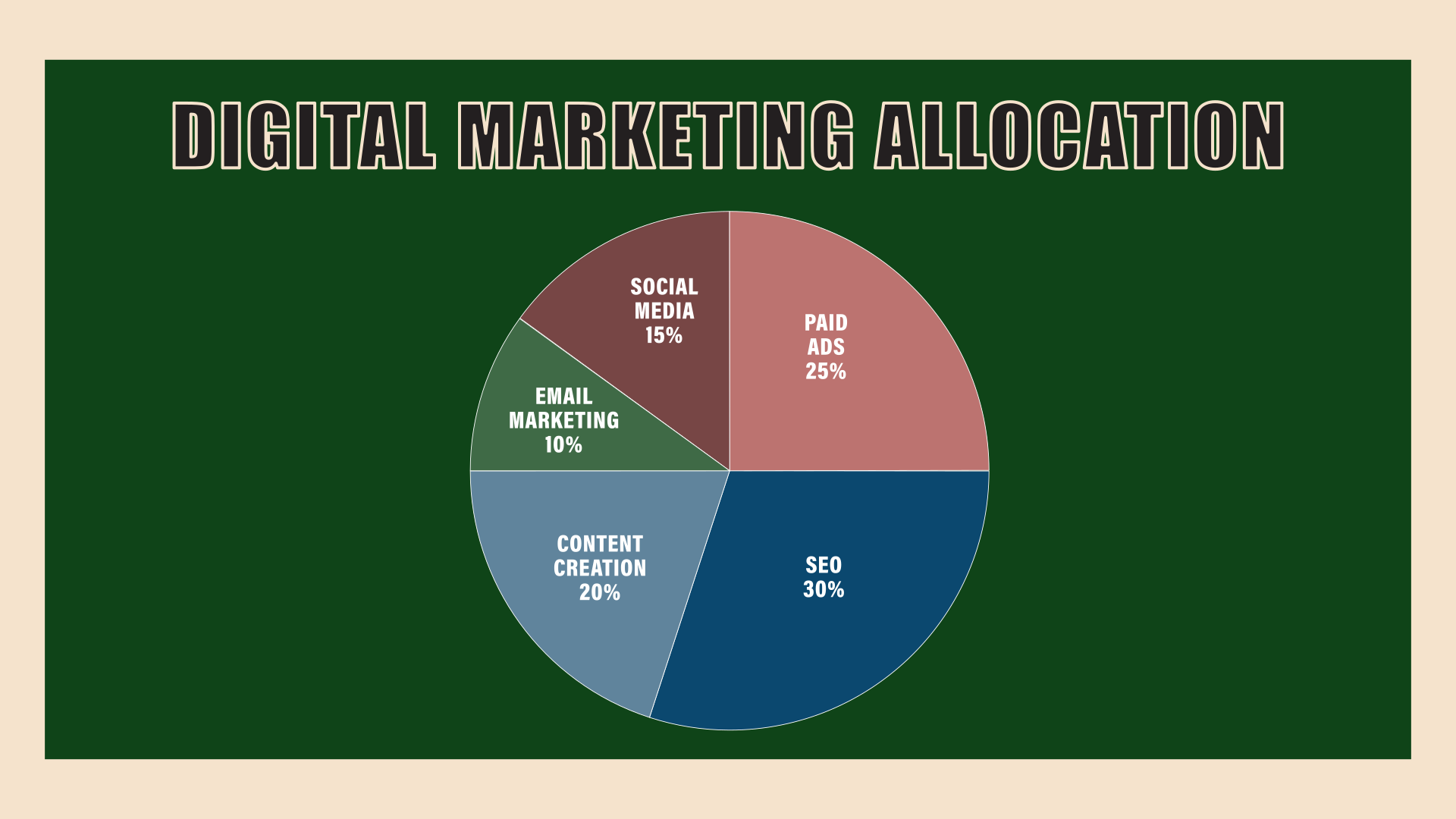
Digital Marketing Allocation
- SEO and Local Search: 30% of marketing budget
- Paid Advertising: 25%
- Content Creation: 20%
- Social Media: 15%
- Email Marketing: 10%
Sales Development
- Sales team compensation
- Training resources
- Lead generation tools
- CRM customization
- Sales enablement technology and materials
Growth Investment Categories
Technology Modernization
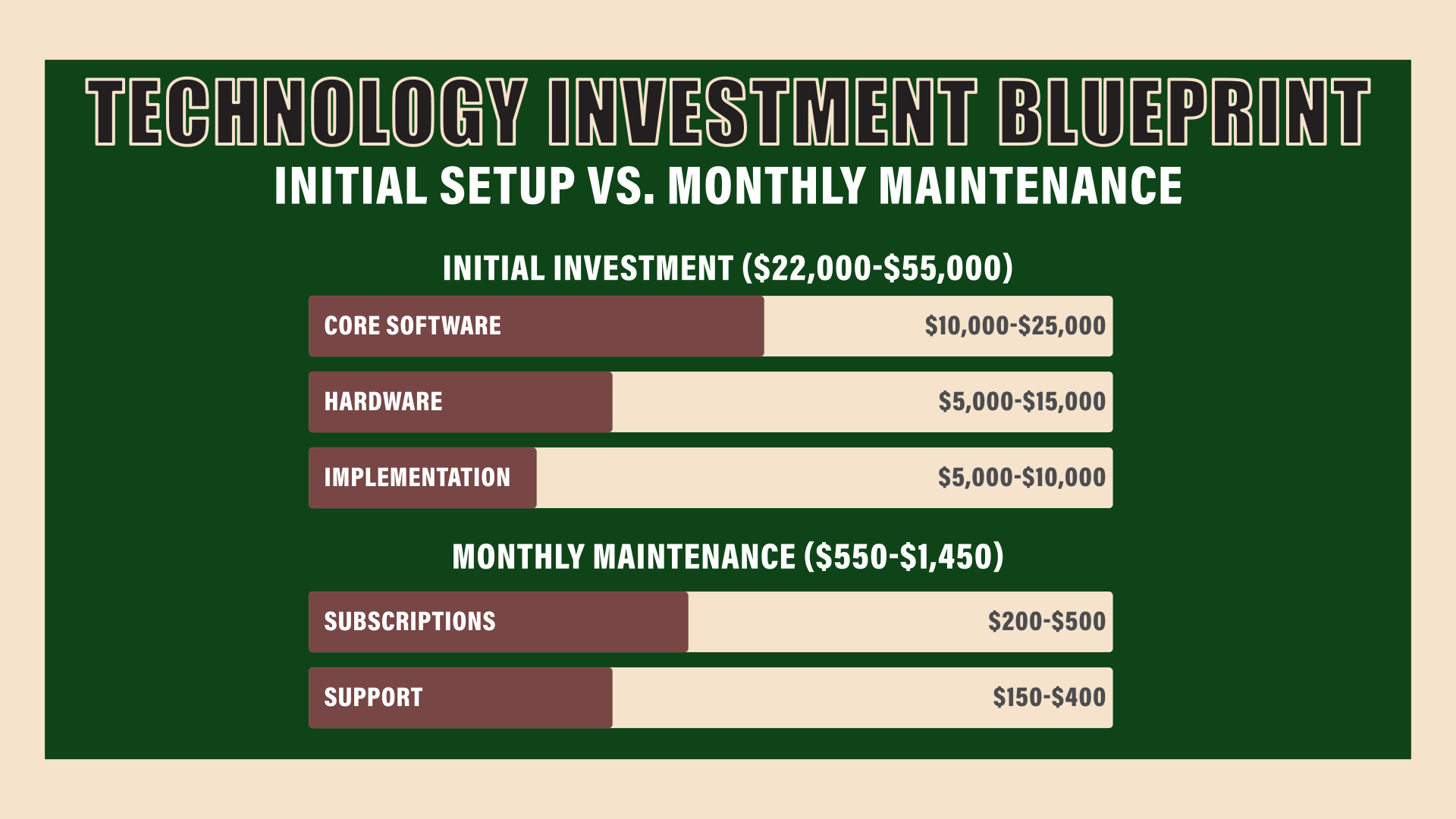
1. Initial Investment Requirements
- Core software systems: $10,000-$25,000
- Hardware and devices: $5,000-$15,000
- Implementation costs: $5,000-$10,000
- Training: $2,000-$5,000
2. Ongoing Maintenance (Monthly)
- Software subscriptions: $200-$500
- System updates: $100-$300
- Technical support: $150-$400
- Security measures: $100-$250
Conclusion: Accelerating Growth in Pest Control
Market Opportunity
The pest control industry is at a turning point. Going digital and running a tight ship aren't optional anymore. The 2025 Pest Control Industry Cost Study from NPMA and PCO Bookkeepers found average revenue growth of 9.5% a year and an average operating profit margin of 15%, so there's plenty of room to grow.
Key Action Steps
Digital Presence
- Optimize your Google Business Profile
- Implement mobile-first website design
- Develop a video content strategy
- Build your local SEO presence
Technology Integration
- Evaluate current systems
- Plan phased implementation
- Train team members
- Monitor and optimize
Growth Strategy
- Analyze market opportunities
- Plan service area expansion
- Develop team capabilities
- Track and measure results
Your Next Steps
Every pest control business has its own challenges and openings. Maybe you're looking to expand your service area, add new tech, or tighten up your operations. Either way, success takes a smart plan backed by data.
Ready to transform your pest control business? Contact me today to talk about your needs and goals. Our team helps pest control businesses achieve big growth through proven digital strategies and strong operations.
Let's work together on a custom plan built for your business as the pest control market keeps changing.