For pest control companies, customer complaints and service failures can be a real pain. Upset customers can spread a bad story fast and drive others away. But when things go wrong, the “Service Recovery Paradox” gives you a chance to do more than fix the problem. You can make loyalty stronger.
The Service Recovery Paradox (SRP) says that when companies handle service failures and complaints well, customer satisfaction and loyalty can climb higher than they were before the failure. It's a surprising idea, and researchers still debate it. A 2007 meta-analysis in the Journal of Service Research found that strong recovery lifted customer satisfaction on average, but it found no clear effect on repurchase intent or word of mouth. So great service recovery can lead to better customer views and stronger ties. It just isn't a sure thing. Saving a tough spot lets pest control providers show they're serious about good service. When you fix issues fast, with care, and in ways that beat what the customer hoped for, thanks can replace frustration. The bond between customer and provider can get stronger.
For pest control companies, SRP is a big chance to turn service problems into moments that build customer loyalty. Let's look at how service recovery drives loyalty, and the ways you can put this effect to work.
Key Dynamics of How Service Recovery Paradox Drives Loyalty
Two main dynamics let great service recovery make customer loyalty stronger.
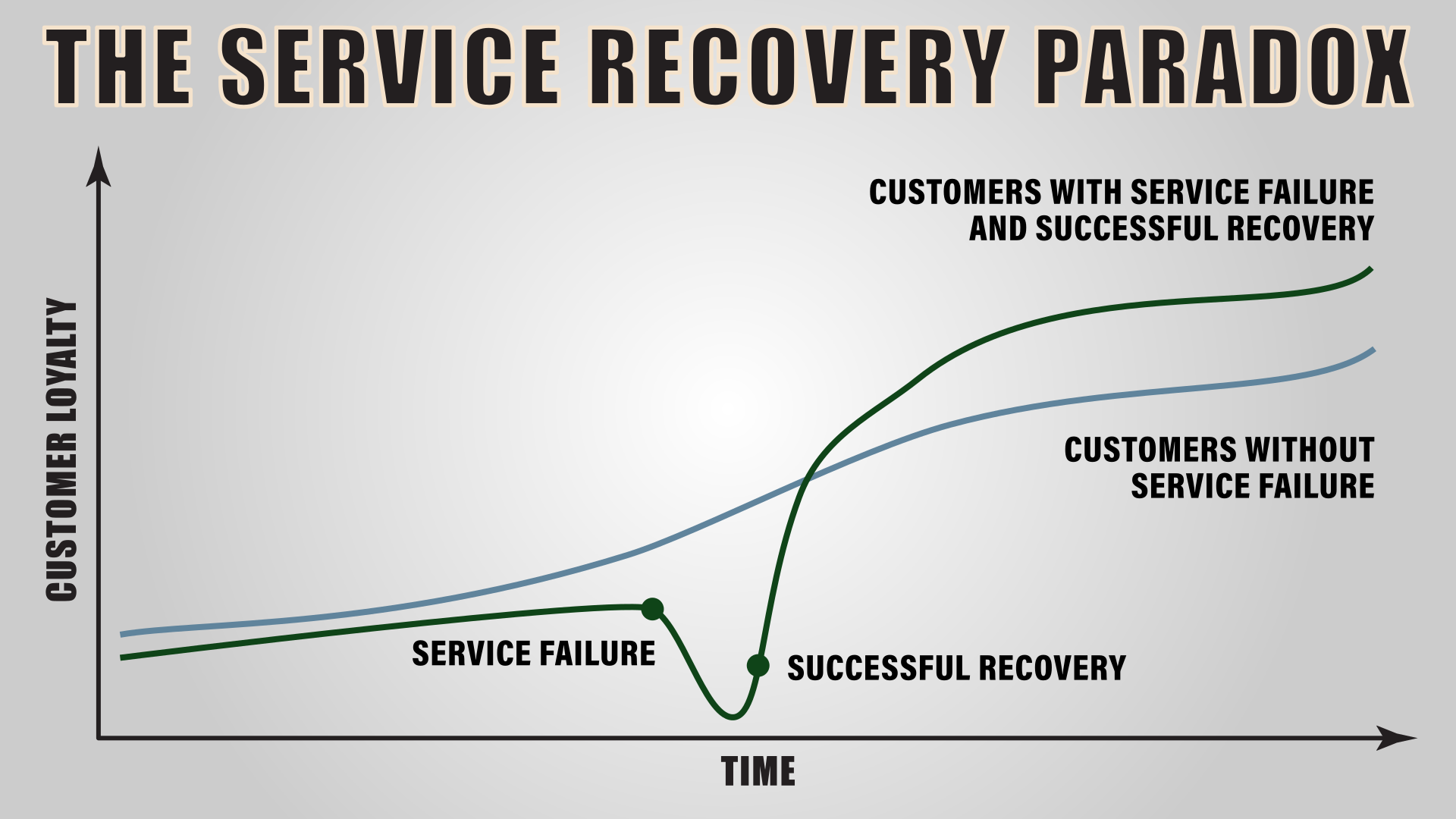
First, pest control providers spark a happy surprise when they beat customers' expectations after a complaint. But customers aren't all the same. How much they care, and how they react to your fix, depends on things like:
- Customer Lifetime Value: Higher lifetime value customers likely expect a greater response, attention, and urgency
- Influencer Status: Influential customers like business owners expect a higher degree of service attention and use compensation offers to share experiences
- Contract Types: Customers under service contracts may anticipate standardized responses, while one-time transactional customers require more impressing
Keep these types in mind, and you can shape each fix to win the most loyalty across your whole customer base.
The second dynamic is that caring, hands-on updates about how you're fixing the problem build a personal connection. Customers feel valued as people instead of transactions. That emotional side helps lock in the relationship and makes customers more forgiving of future mistakes. They turn into loyal fans instead of leaving at the next failure.
In short, beat what people expect from a fix, build a personal bond, and one-time deals turn into loyal customers. These two dynamics are your key chances to get service recovery right.
Real-World Examples and Impacts
We can see the SRP play out in real-world examples across industries.
In retail, when an unhappy customer complains about a wrong or damaged product, a simple refund or replacement only meets expectations. But stores that go further and offer a store credit or gift card spark delight and loyalty. The customer leaves happier than when they walked in.
In hotels, one bad room service meal can quickly turn into a pile of complaints. Yet hotels that say sorry and add free extras, from meals to spa treatments, come out ahead. Those fixes lift the brand's image along with customer satisfaction.
For pest control, see if these fictional pest control examples ring true for you.
Bug Off Pest Control
At Bug Off Pest Control, a small start-up based in Charlotte, a failed rodent job for an important financial client became a chance to build loyalty. Founder Wendy made amends at once. She gave a personal apology, a deep discount on a follow-up treatment, and a future guarantee on all services. The wealthy customer was floored by that much care. Their spending and their testimonials went up a lot after this one turnaround.
Guardian Pest Services

At Guardian Pest Services, a mature pest control provider based in Raleigh, Operations Manager Daemon had a bulk termite job fail on a new builders' contract. He turned it into a service recovery that changed minds. They'd planned with care, but tricky site conditions led to more termite activity just three weeks after a job that was meant to stop it. Daemon made no excuses. He sent the company's most senior tech to meet with the contractor right away.
He laid out what went wrong, along with a clear plan for a quick retreatment at zero added cost. Daemon also built a custom, long-term bulk discount as a goodwill offer for the developer's future jobs. He fixed the failure fast and cared for the relationship, with quick repairs and generous perks. That flipped how the contractor and developer saw things. They became eager references and went after an even bigger deal together.
Dream Weaver Pest Control

At our fictional Dream Weaver Pest Control, a fast-growing company in Hickory that builds its brand on eco-friendly services, a customer called upset when their scheduled mosquito treatment never happened the week before a big backyard party. It turned out a route mix-up had left the yard off the technician's schedule. But founder Gary made a personal visit to explain it as a rare human mistake. He had the yard treated that same day at no charge and guaranteed 12 months of free yard inspections. He framed the incident as a chance to show his commitment to reliable, eco-friendly service. That caring response led the doubtful customer to praise Dream Weaver's honesty to neighbors, which was a surprise given how upset they'd been at first.
Each trade is different, but the core result stays the same. Happy surprises after failures lead to ties that make bonds stronger. Customers become less transactional and more tied to the brand's experience.
For pest control firms, the lesson is clear. Meeting expectations isn't enough. Service recovery has to rebuild confidence and form personal links by going past the fix customers expect, so you get the most loyalty.
Factors Affecting Service Recovery Paradox’s Influence on Loyalty
Good service recovery lifts loyalty across settings, but several factors change how big that effect is. Knowing them helps pest control companies focus their efforts on the right response.
The Magnitude of Failure
How bad the first service failure is affects how much loyalty you can gain. Small issues that get fixed really well fit the SRP best. Customers feel the company went “above and beyond.” But bigger failures need a carefully measured response to win more loyalty.
Speed and Empathy of Response
How fast and how kindly you own and fix an issue also shapes the result. Customers value quick fixes, and they want to feel heard and respected. Slow or cold responses can shrink the gains from an otherwise good recovery. Making speed and care a priority lifts your loyalty upside.
Perceived Value of Compensation
How the goodwill gesture feels also affects how satisfied the customer ends up. Service credits, discounts on future work, and free treatments can go far past what customers expect. Yet the value should match the size of the first failure. Too much looks wasteful, while too little misses the chance.
Lining up your response on these factors gets the most loyalty out of service recovery for pest control firms.
6 Steps to an Effective Service Recovery
Since the loyalty payoff can be big, pest control companies need to master service recovery. A good program has six main steps:
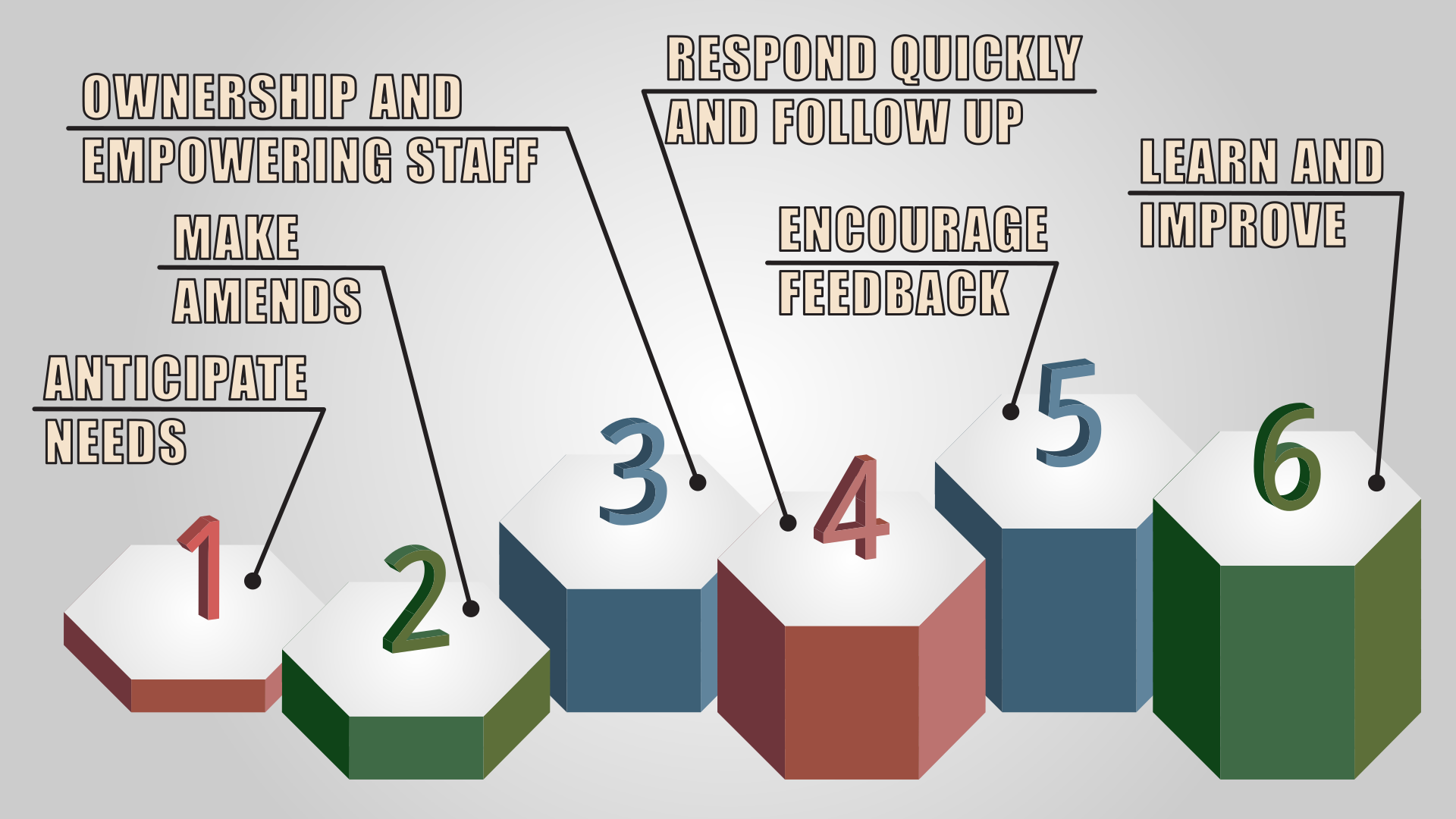
Anticipate Needs
Get ahead of problems by learning what customers expect, where things often go wrong, and what the industry standards are. Watching social media for complaints helps you see issues. Regular customer surveys also help you gauge what matters most and where you're weak. That work lets you line up your services, staff, and resources.
Make Amends
When service failures happen, fix things fairly and fast. Frontline staff should have the freedom to offer apologies, credits, refunds, or other goodwill gestures without kicking it upstairs. Letting employees fix problems on the spot is key.
Ownership and Empowering Staff
Let service, support, and success teams own customer issues. Whether it's through spending limits or the authority to act, give staff what they need to make support calls fast. Firms should also try fresh rewards for frontline staff that push them to use service recovery to build customer loyalty. For example:
- Public recognition for preventing customer defections
- Compensation bonuses when saving and retaining high-value customers
- Pathways to career advancement for top performers in service recovery metrics
Pay your people back for the bonds they build while they fix things, and pest control providers can scale up the loyalty payoff.
Respond Quickly & Follow Up
Fast responses show commitment and care. After you fix the problem, follow up with customers to make sure they're happy. That gives you another chance to build the emotional connection. Think about personal check-ins instead of cold surveys.
Encourage Feedback
Make it easy for customers to give feedback at every step. Catching problems early and learning from them depends on being open. Build relationships where customers know their voices help make service better.
Learn and Improve
After service recovery efforts, pest control providers should focus on learning so issues don't repeat. Look at what worked and what failed to find training gaps. Study what competitors do well in recovery and copy it. This locks in your skills, earns you more loyalty down the road, and cuts the risk of the same failures wearing you down again.
Get these basics right, and pest control providers build brand loyalty by making the most of tough spots.
Limitations of Relying on Service Recovery Paradox
The SRP can turn service problems into loyalty gains, but leaning on it too much has limits.
First, repeat service failures wear down customer trust and confidence, no matter how well you respond. If pest control customers run into frequent issues, big make-goods can look like a gimmick instead of the real thing. Too many recovery efforts raise questions about whether you know what you're doing.
Second, severe failures limit the gains by their nature. If pest issues keep coming back after several costly treatments, even generous make-goods may not win back loyalty. Really bad cases need you to fix the core service first.
The SRP works best as a safety net under steady, high-quality service. It should be an emergency backup, not a crutch. Leaning only on amazing service recovery won't last. Your main focus has to stay on keeping up your operating and delivery standards.
Strategies to Maximize Loyalty Through Service Recovery Paradox
The SRP has real limits, but using service recovery with a plan still matters for winning loyalty. Here are key strategies pest control firms can use:
Understand Expectations
As we said under anticipating needs, pest control companies need to know what customers care about. That's how they spot when fair hopes go unmet. Which response times, ways of talking, treatment results, and kinds of compensation matter most? Regular research, watching, and talking with customers build this know-how.
Surprise Customers
Once you know what customers expect, you can answer support issues by going past the fix they had in mind, on purpose. Compensate generously, follow up often, and invest in relationships. These moves pay back many times over, since they build emotional ties that go beyond fixing the service failure.
Train Staff on Handling
Giving frontline employees the authority and the creative freedom to settle complaints raises the quality and speed of your response. Make sure your guidelines cover suggested actions for each type and severity of failure. Roleplay scenarios also help staff get used to the stress of service recovery. The main focus should be building loyalty, not keeping costs down.
Used well alongside quality service, these strategies help pest control firms get the most from bad situations. But they take commitment, staff with real authority, and a view of support work as a chance instead of a chore.
Conclusion
For pest control companies, a service failure now and then is bound to happen. It doesn't have to doom the relationship. When you use the Service Recovery Paradox, bad moments become chances to build loyalty and word of mouth.
When issues get fixed fast, kindly, and with a generous surprise, the paradox can kick in. Customers can end up happier and closer to you. Some forgive, forget, and even talk you up to others. A moment of frustration turns into lasting goodwill.
Getting that upside does take focus and money from pest control firms. You have to know what customers expect, give staff clear limits on what they can do, and build bonds during service recovery. Your skills have to match your goals.
Still, the big payoff in customer loyalty and repeat business makes the effort worth it. Where competitors see service issues as a nuisance, smart providers see a chance to bond with customers for the long haul. That shift in thinking, and doing it well, is the service recovery edge for pest control leaders.