In 2025, your school website isn't just a digital brochure – it's the cornerstone of your educational institution's digital presence. When Greenfield Academy saw a massive drop in online inquiries due to poor website UX, they learned a crucial lesson: in today's competitive educational landscape, exceptional website user experience isn't just nice to have – it's essential for survival. Like that imposing main entrance to your campus, your educational website design needs to make one heck of a first impression.
In today's digital-first educational landscape, your website serves as more than just an information repository – it's your most hardworking admissions counselor, working 24/7 to engage prospective families, support current students, and maintain alumni connections. And just like you wouldn't let your admissions counselor show up to work in pajamas (tempting as that might be), your website needs to maintain professional standards while delivering an exceptional user experience.
The Evolution of School Websites: From Digital Brochures to Dynamic Platforms
Remember the early days of school websites? If you've been in education long enough, you might recall those static HTML pages with their Comic Sans headers and cluttered layouts. We've come a long way since then, but surprisingly, many private schools are still stuck in what I'll kindly call the "digital dark ages."
Modern school websites need to serve multiple functions simultaneously:
- An admissions powerhouse that converts interest into applications
- A community hub for current families and students
- A resource center for faculty and staff
- A connection point for alumni and donors
- A marketing platform that showcases your school's unique value proposition
Why Your School Website UX Matters More Than Ever
Let's talk numbers because who doesn't love a good statistic? According to recent educational marketing studies:
First Impressions & Design:
- In the blink of an eye - literally less than a single blink - users form an opinion of a website. (Source: CXL)
- Almost 4 out of 10 users don't engage with unattractive layouts. (Source: HubSpot)
Technical Performance:
- According to Kissmetrics, 47% of consumers expect a web page to load in 2 seconds or less (Source: Website Magazine)
- Google reports that 53% of mobile website visits are abandoned if pages take longer than 3 seconds to load (Source: Think with Google)
Parent Research & Decision Making:
- 87% of parents research schools online before making any contact (Source: 2023 Niche K-12 Parent Survey)
- 79% of parents said school search and review platforms were their preferred online research tool for comparing schools (Source: 2023 Niche K-12 Parent Survey)
- 92% of parents expect to complete admission pre-screening online (Source: 2023 Niche K-12 Parent Survey)
- 60% of parents said school websites influenced their enrollment choices (Source: 2023 Niche K-12 Parent Survey)
- 44% of parents said schools' presence on school search and review sites influenced their decision (Source: 2023 Niche K-12 Parent Survey)
- 67% of parents said reviews from other parents on school search and review platforms influenced their decisions (Source: 2023 Niche K-12 Parent Survey)
These aren't just numbers – they're wake-up calls. When Greenfield Academy analyzed their own data, they discovered that for every parent who completed their online inquiry form, three others abandoned it halfway through. That's like having your admissions office close its doors on two-thirds of interested families.
The Modern Parent's Expectations
Today's parents aren't just tech-savvy – they're tech-expectant. They've been spoiled by seamless experiences from Amazon, Netflix, and other digital giants. While no one expects your school website to be the next Netflix, parents do expect:
1. Immediate Access to Information
- Quick answers to common questions
- Easy-to-find tuition and financial aid details
- Clear pathways to application processes
- Transparent academic program information
2. Mobile-First Experience
- Responsive design that works flawlessly on smartphones
- Easy form completion on any device
- Quick-loading pages (because patience isn't a virtue online)
- Touch-friendly navigation
3. Personalized Journey
- Content relevant to their stage in the admission process
- Easy return to previously viewed information
- Saved progress on multi-step forms
- Customized content based on interests
The Real Cost of Poor Website UX
Let's talk about what poor UX is really costing your school, and we're not just talking about lost applications. The impact runs deeper than most administrators realize:
1. Direct Financial Impact
- Lost enrollment opportunities (Each abandoned application represents thousands in potential tuition revenue)
- Higher cost per enrollment (Poor conversion rates mean spending more on marketing)
- Increased administrative costs (Staff spending time helping users navigate a confusing website)
- Technology debt (Postponing updates leads to more expensive overhauls later)
2. Operational Inefficiencies
- Increased phone calls and emails asking for basic information
- Higher workload on admissions staff explaining navigation
- Duplicate data entry from paper-based workarounds
- Time spent managing multiple systems that should be integrated
3. Reputation Damage
- Lower search engine rankings
- Negative word-of-mouth from frustrated users
- Perception of being technologically behind
- Missed opportunities with tech-savvy families
4. Community Engagement Issues
- Decreased participation in school events
- Lower parent portal usage rates
- Reduced alumni engagement
- Missed donation opportunities
5. Competitive Disadvantage
- Lost ground to schools with better digital presence
- Difficulty attracting international students
- Reduced ability to showcase innovations
- Limited reach in digital-first markets
Essential Elements of Effective School Website UX
If websites were buildings, navigation would be your floor plan, content would be your furniture, and UX would be the overall architecture. Let's break down the essential elements that make your digital campus as welcoming as your physical one.
Navigation That Even a First Grader Could Use
Your website navigation should be as clear as your school's honor code – and hopefully with fewer loopholes. When Greenfield Academy redesigned their navigation, they followed these proven principles:
1. Primary Navigation Structure
- Limit main menu items to 7 or fewer (the magical number for human memory)
- Use clear, conventional labels (no clever names that leave parents guessing)
- Implement consistent navigation across all pages
- Provide visual indicators for the current location
- Include a "quick links" section for most-accessed pages
2. Search Functionality That Actually Works
- Implement predictive search suggestions
- Include common misspellings in search algorithms
- Provide filtered search results by category
- Display recent searches for returning visitors
- Offer advanced search options for specific content types
3. Mobile Navigation Considerations
- Use hamburger menus judiciously (with clear labels)
- Implement touch-friendly tap targets (minimum 44x44 pixels)
- Create collapsible sections for lengthy menus
- Ensure swipe functionality works intuitively
- Maintain consistent navigation patterns across devices
4. User Path Optimization
Create clear pathways based on user personas:
- Prospective Parents → Admissions → Schedule Tour
- Current Parents → Portal → Resources
- Students → Academic → Learning Management System
- Faculty → Resources → Department Materials
- Alumni → Giving → Donation Forms
Content Organization: The Marie Kondo Approach
Just as you wouldn't stuff all your teaching materials into one drawer (though we know some teachers who try), your website content needs thoughtful organization. Let's spark joy with these organizational principles:
1. Information Architecture Best Practices
- Implement clear content hierarchies
- Primary: Core school information
- Secondary: Supporting content
- Tertiary: Additional resources
- Create logical content relationships
- Use breadcrumb navigation for deep pages
- Maintain consistent URL structures
- Implement clear taxonomies for content categorization
2. Content Presentation Strategies
- Use progressive disclosure techniques
- Show basic information first
- Allow users to dig deeper as needed
- Implement expandable sections for detailed content
- Apply the inverted pyramid writing style
- Most important information first
- Supporting details follow
- Background information last
- Implement scannable content formats
- Clear headings and subheadings
- Short paragraphs (3-4 sentences max)
- Strategic use of bullet points
- Highlighted key information
3. Visual Hierarchy Optimization
- Use consistent styling for content levels
- Implement clear visual cues for important information
- Maintain adequate white space
- Create clear content sections
- Use typography to indicate importance
4. Content Management Systems (CMS) Organization
- Implement clear content templates
- Create standardized page layouts
- Use consistent metadata structures
- Maintain organized media libraries
- Implement version control systems
Responsive Design That Actually Responds
Gone are the days when "mobile-friendly" meant "barely functional on a phone." Today's responsive design needs to be more sophisticated than your average algebra equation:
1. Technical Implementation
- Use fluid grids and flexible layouts
- Implement breakpoint best practices
- Optimize images for different devices
- Ensure touch target accessibility
- Maintain content hierarchy across devices
2. Content Adaptation
- Prioritize content for mobile displays
- Implement progressive enhancement
- Create device-specific content when necessary
- Optimize forms for mobile completion
- Ensure multimedia content works across devices
3. Performance Optimization
- Implement lazy loading for images
- Use appropriate image formats
- Minimize HTTP requests
- Optimize CSS delivery
- Implement mobile-first development practices
The Five Critical Pages Every School Website Must Nail
Think of these pages as your school's starting lineup – they need to be your best players, consistently performing at their peak. Let's break down each one with the attention to detail of a college counselor reviewing Harvard applications.
1. Homepage: Your Digital Welcome Mat
Your homepage should be like your best admissions counselor – warm, informative, and really good at getting to the point. When Greenfield Academy redesigned their homepage, they saw an increase in time on site and a decrease in bounce rate by implementing these elements:
Value Proposition
- Clear, compelling headline
- Supporting subheadline
- Visual reinforcement
- Immediate differentiation points
- Proof points (statistics, awards, achievements)
Strategic Content Blocks
- News and announcements (regularly updated)
- Upcoming events calendar
- Success stories and testimonials
- Virtual tour access
- Quick links to key resources
Visual Elements
- High-quality hero image or video
- Professional photography
- Brand-consistent design elements
- Student life snapshots
- Campus highlights
Conversion Elements
- Primary CTA (usually "Apply" or "Visit")
- Secondary CTAs (Information request, virtual tour)
- Quick contact options
- Portal access for current community
- Social proof elements
2. Admissions: Where the Magic Happens
This is where you convert interested browsers into eager applicants. Greenfield Academy increased their application completion rate by 38% by optimizing these elements:
Application Process
- Step-by-step application guide
- Clear deadlines and timelines
- Required documentation checklist
- FAQ section
- Application status tracking
Financial Information
- Transparent tuition information
- Financial aid process explanation
- Scholarship opportunities
- Payment plans and options
- Cost calculator tool
Visit and Events
- Open house schedule
- Campus tour registration
- Virtual tour options
- Meet the faculty events
- Student shadow days
Resources and Support
- Admissions team profiles
- Parent ambassador program
- International student information
- Transfer student guidelines
- Admissions blog or newsletter
3. Academics: Show Off Those Smarts
Present your academic programs like you're proud of them (because you are). This section should be as robust as your curriculum:
Program Overview
- Curriculum Philosophy
- Grade-level specifics
- Teaching methodology
- Technology integration
- Learning support services
Faculty Showcase
- Teacher credentials
- Teaching Philosophy
- Department structure
- Professional development
- Faculty achievements
Student Success
- College acceptance rates
- Standardized test scores
- Academic competitions
- Student achievements
- Alumni success stories
Specialized Programs
- Advanced Placement courses
- International Baccalaureate
- STEM initiatives
- Arts programs
- Language offerings
4. Student Life: The Pulse of Your School
Give visitors a glimpse into daily life that's more engaging than your average Instagram feed:
Athletics
- Sports programs offered
- Team achievements
- Facilities information
- Coach profiles
- Game schedules
Arts and Culture
- Visual arts programs
- Performing arts
- Music programs
- Cultural events
- Student exhibitions
Student Activities
- Club listings and descriptions
- Leadership opportunities
- Community service initiatives
- Student government
- Special interest groups
Campus Life
- Daily ScheduleTraditions and events
- Dining services
- Transportation
- After-school programs
5. Contact: Don't Play Hard to Get
Make it ridiculously easy to reach you – easier than finding a parking spot at a school event:
Primary Contact Information
- Department Directory
- Staff contact details
- Office hours
- Physical address
- Main phone numbers
Interactive Elements
- Dynamic contact forms
- Live chat options
- Chatbot assistance
- Department-specific inquiries
- Emergency contact protocol
Location and Access
- Interactive campus map
- Driving directions
- Parking information
- Public transportation
- Campus security details
Social Connection
- Social media links
- News feed
- Blog updates
- Newsletter signup
- Community portal access
Mobile Optimization: Because Phones Aren't Just for Endless Scrolling of Videos
Here's a shocking revelation: parents check their phones. A lot. Your website needs to:
- Load faster than a cafeteria gossip chain
- Be thumb-friendly (no tiny buttons)
- Display properly on all devices
- Maintain functionality across platforms
- Keep forms simple and mobile-optimized
Technical Considerations That Actually Matter
Let's start with the need for speed – because, in the digital world, waiting for a page to load feels longer than a Monday morning faculty meeting. Here's how to keep your site running faster than students heading to lunch:
Speed Matters More Than You Think
- Optimize images (no one needs that 4K photo of the cafeteria)
- Minimize HTTP requests
- Enable browser caching
- Compress files
- Use a content delivery network
Accessibility Isn't Optional
Make your website accessible to everyone:
- Clear contrast ratios
- Alt text for images
- Keyboard navigation
- Screen reader compatibility
- Closed captions for videos
Measuring Success: Beyond "It Looks Nice"
Track these metrics to ensure your website is performing:
- Time on site
- Bounce rate
- Form completion rates
- Mobile vs. desktop usage
- Page load times
- Heat mapping results
- User flow patterns
Implementation Roadmap
Before diving into how to improve school website usability, let's outline a clear roadmap for implementation. Your school's website optimization journey should follow these essential steps:
- Audit your current website
- Identify key pain points
- Prioritize improvements
- Create a content strategy
- Design and develop
- Test with real users
- Launch and monitor
- Continuously improve
ADA Compliance: Essential Requirements for School Websites
Your school's website must comply with ADA requirements to ensure accessibility for all users. Here's what you need to know:
Key Legal Requirements
- Section 508 compliance for federally-funded institutions
- WCAG 2.1 Guidelines adherence
- State-specific accessibility laws
Quick Implementation Checklist
- Alt text for all images
- Proper heading hierarchy
- Keyboard navigation support
- Color contrast requirements
- Closed captions for videos
Frequently Asked Questions About School Website UX
How can I improve my school website's search rankings?
Focus on educational content optimization, proper keyword usage, and regular updates to your news and events sections. Ensure your content strategy includes success stories, faculty highlights, and student achievements while maintaining proper technical SEO fundamentals like meta descriptions, alt tags, and semantic HTML structure.
What makes a good school website navigation structure?
An effective school site user experience starts with intuitive navigation that follows clear hierarchical organization. Implement a logical menu structure with clear labels, ensure no important page is more than three clicks away, and maintain consistent navigation patterns across all pages. Your main menu should include key sections like Admissions, Academics, Student Life, and Athletics while providing quick access to frequently used resources.
How often should we update our school's website content?
Regular content updates are crucial for education website optimization. News and events should be updated weekly, while core pages should be reviewed quarterly. Create a content calendar that includes:
- Daily: Social media feeds and urgent announcements
- Weekly: News updates and event listings
- Monthly: Blog posts and student spotlights
- Quarterly: Program information and faculty updates
- Annually: Curriculum details and policy information
What are the most important metrics for measuring school website effectiveness?
Track key performance indicators that align with your educational institution's goals:
- Admission inquiry form submissions
- Time spent on academic program pages
- Virtual tour engagement rates
- Portal login frequency
- Mobile vs. desktop usage patterns
- Page load times across devices
- Bounce rates on key landing pages
How can we make our school website more engaging for prospective families?
Enhance engagement through:
- Interactive virtual campus tours
- Student and faculty testimonial videos
- Live chat support during peak admission seasons
- Easy-to-use inquiry forms
- Clear calls-to-action for campus visits
- Regular updates to news and events
- Social Proof through Student Success Stories
What are common mistakes to avoid in school website design?
Key pitfalls to watch out for include:
- Outdated content and broken links
- Complicated admission processes
- Poor mobile responsiveness
- Slow loading pages
- Buried contact information
- Cluttered navigation menus
- Missing calls-to-action
- Inconsistent branding elements
How do we balance information needs for different user groups?
Create clear pathways for each audience:
- Prospective families: Focus on the admission process, programs, and differentiators
- Current families: Provide easy access to calendars, portals, and resources
- Alumni: Highlight giving opportunities and community news
- Faculty/Staff: Ensure quick access to internal tools and resources
- Students: Streamline access to learning platforms and student life information
Next Steps: Your Website Won't Fix Itself
Your school website should work as hard as your teachers do. It's time to give it the attention it deserves. Start with an audit of your current site against these best practices, and prioritize the changes that will have the biggest impact on your user experience.
Ready to revolutionize your school's digital presence? Schedule a personalized consultation to discover how we can transform your school's digital experience into an enrollment-driving powerhouse. Together, we can begin your school's digital transformation journey.

Written By: Adam Bennett | February 05, 2025
Adam is the president and founder of Cube Creative Design and specializes in private school marketing. Since starting the business in 2005, he has created individual relationships with clients in Western North Carolina and across the United States. He places great value on the needs, expectations, and goals of the client.
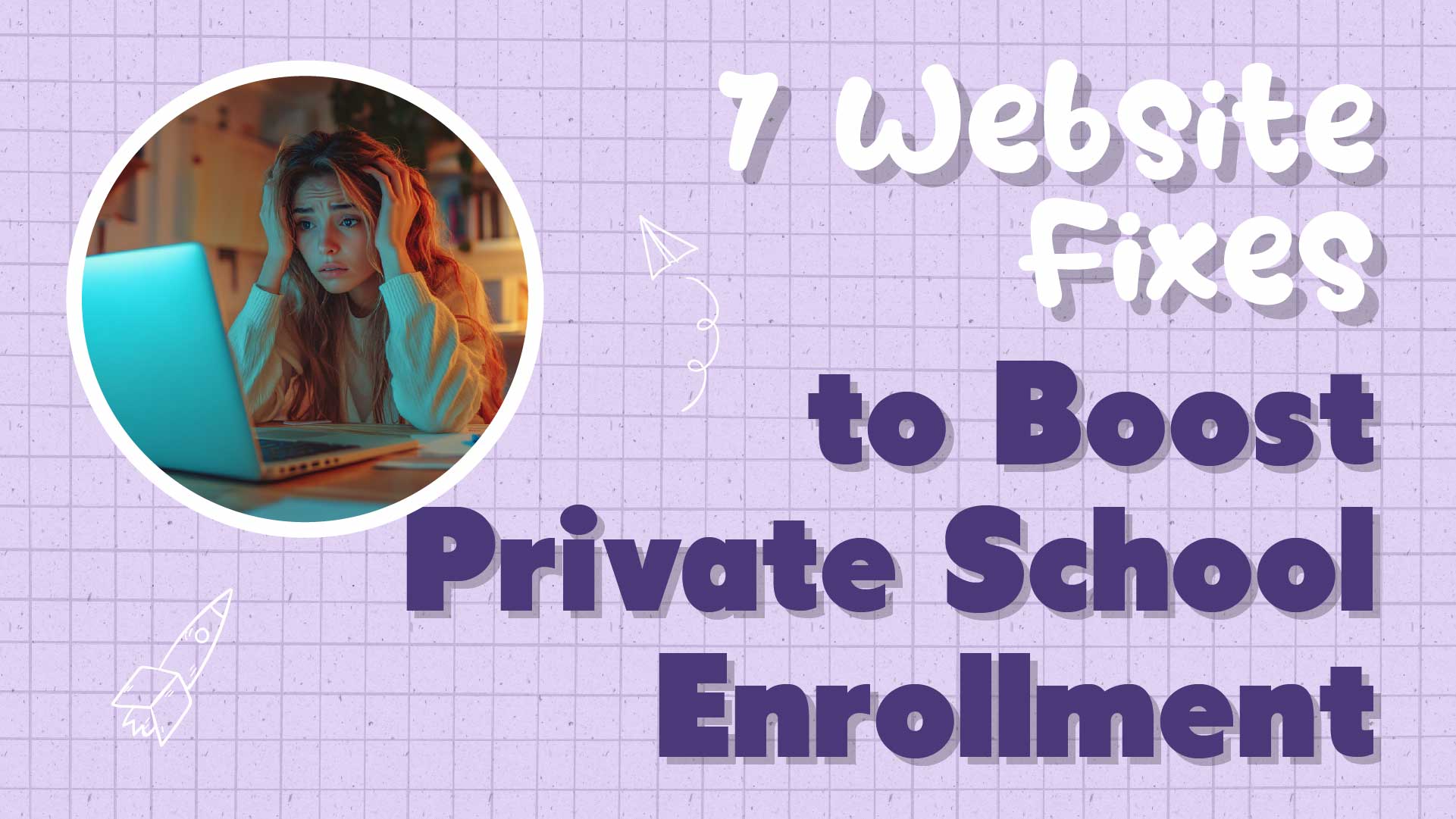
It's 10:47 PM. Sarah, an ambitious parent with Ivey League dreams for her kids, just rage-quit your school's website after fighting with your inquiry form for the third time this week. Like countless other parents, she'll move on to your competitor's site – and you'll never even know you lost her.
Here's the brutal reality: Your website, which should be your star admissions counselor (working 24/7, never taking a vacation, handling thousands of parents simultaneously), is probably your biggest enrollment liability. And while you're reading this, your competitors are fixing these issues and capturing the families you're losing.
Written By: Adam Bennett | February 05, 2025
Adam is the president and founder of Cube Creative Design and specializes in private school marketing. Since starting the business in 2005, he has created individual relationships with clients in Western North Carolina and across the United States. He places great value on the needs, expectations, and goals of the client.
As a school board member, you're dedicated to ensuring your private school thrives and continues its mission of providing excellent education. But in today's digital world, having an outstanding academic program isn't enough – families need to find you first. That's where strategic digital marketing comes in, and it's what we've been helping private schools achieve for nearly 20 years.
Written By: Adam Bennett | February 04, 2025
Adam is the president and founder of Cube Creative Design and specializes in private school marketing. Since starting the business in 2005, he has created individual relationships with clients in Western North Carolina and across the United States. He places great value on the needs, expectations, and goals of the client.

After another evening of struggling to help her son Jack with his math homework, Lisa knew something had to change. The local public school was doing its best, but Jack needed more individual attention—the kind her friend's daughter was getting at the private school across town.
Late that night, after Jack had finally gone to bed, Lisa found herself Googling the school's name. Her cursor hovered over the "Tuition & Fees" link, her heart already racing. Click. The numbers appeared on her screen, and her stomach dropped. With a heavy sigh, she was about to close the tab—just like the other four out of five parents who land on private school tuition pages and immediately bounce away.
But something caught her eye. Instead of just cold, hard numbers, she saw a story. It is a story about a single mom just like her who'd found a way to make private education work through a combination of financial aid, scholarships, and flexible payment plans. Then, there is another story about a boy like Jack, who went from struggling with math to excelling in advanced placement courses.
This wasn't just a pricing page. It was a roadmap to possibilities.
This may be a fictional story, but in every work of fiction, there is some truth, and this story rings true with many of the schools I have helped. Let's dive into how you can engineer this transformation.
Written By: Adam Bennett | February 03, 2025
Adam is the president and founder of Cube Creative Design and specializes in private school marketing. Since starting the business in 2005, he has created individual relationships with clients in Western North Carolina and across the United States. He places great value on the needs, expectations, and goals of the client.