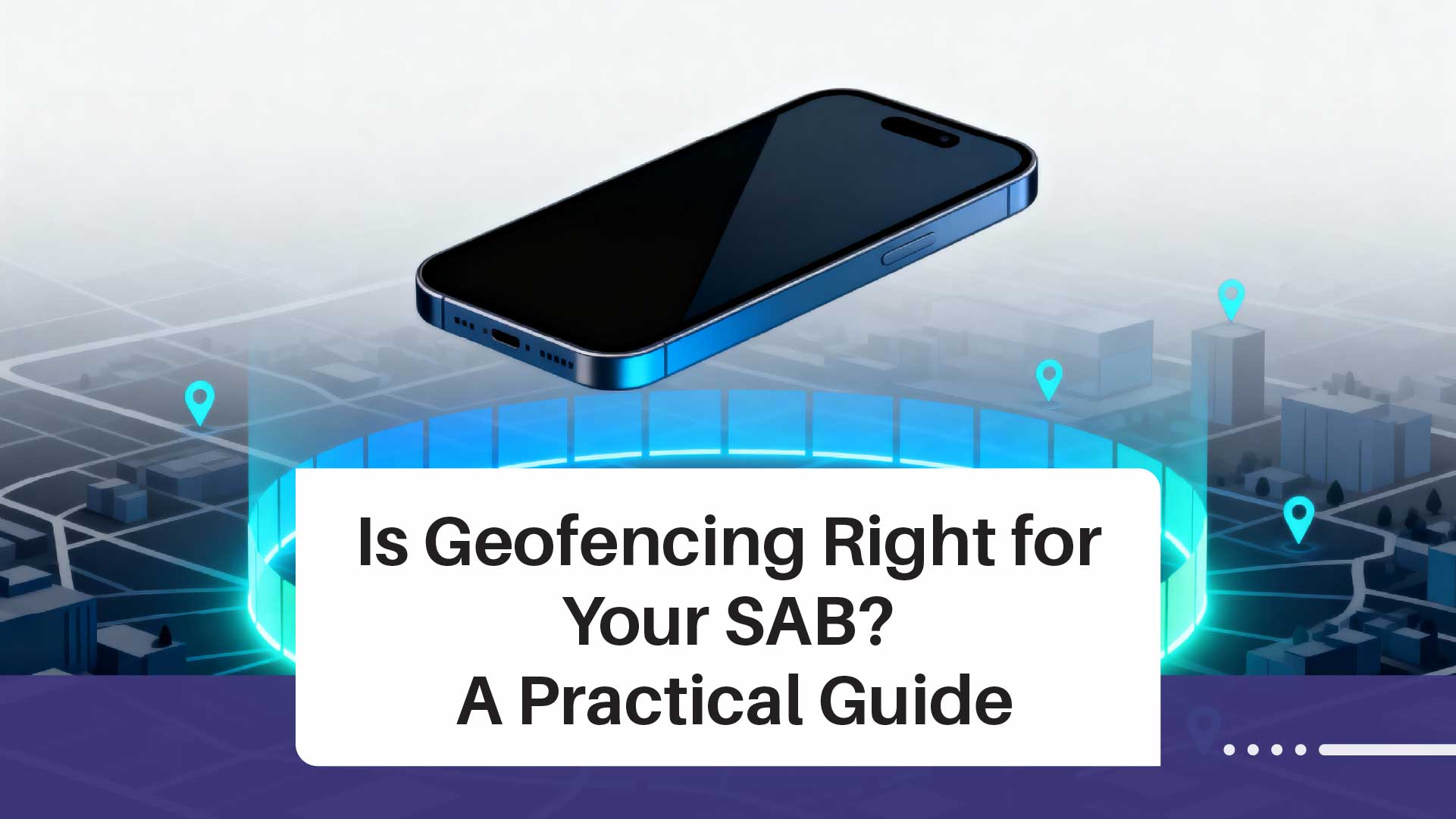
If you've talked to any advertising rep lately, you've probably heard the pitch for geofencing. Draw a virtual fence around your competitor's location. Serve ads to everyone who walks inside. Watch the customers roll in. It sounds almost too good to be true. And depending on your business, it might be.
Geofencing can be a powerful tool for the right business. But for others, it's an expensive way to generate impressions that never turn into customers. The difference comes down to one thing: how your customers actually make buying decisions.

Written By: Adam Bennett | January 21, 2026
Adam is the president and founder of Cube Creative Design and specializes in private school marketing. Since starting the business in 2005, he has created individual relationships with clients in Western North Carolina and across the United States. He places great value on the needs, expectations, and goals of the client.
There's a specific moment in every agency relationship when doubt creeps in. You signed the contract expecting a flood of leads, a ringing phone, and routes so packed your technicians would need overtime. Instead, you're three months in, staring at a report full of colorful graphs that would make a kindergartner proud, and your bank balance looks exactly the same.
The challenge isn't recognizing that something feels wrong. It's figuring out whether you're experiencing normal marketing latency or genuine agency failure. SEO and content marketing are compounding activities. According to WebFX, SEO takes an average of three to six months to start showing results, with compounding returns solidifying between six and twelve months. Agencies know this, and some use it as a shield, deflecting valid criticism by urging you to "trust the process."
The reality is that "trust the process" only works when there's a visible process to trust. In a pest control market that has averaged 8.6% annual growth over the past five years, standing still means falling behind. That translates to roughly $2 billion in new market opportunity over five years, and your competitors are actively pursuing every dollar. Every month you tread water with an ineffective agency, they're capturing the customers who should be calling you.
This article will help you distinguish between "give it time" and "get out now." These seven red flags aren't about finding reasons to be paranoid; they're about protecting your business from partnerships that drain your budget without delivering results.

Written By: Chad J. Treadway | January 21, 2026
Chad is a Partner and our Chief Smarketing Officer. He will help you survey your small business needs, educating you on your options before suggesting any solution. Chad is passionate about rural marketing in the United States and North Carolina. He also has several certifications through HubSpot to better assist you with your internet and inbound marketing.

A 20x20 booth does not become a smaller version of a large one. It alters the movement, attention flow and duration of stay of visitors. Having four times more space than a 10x10, brands have the liberty and the responsibility. Any lack of planning is more apparent, whereas intelligent design gets results multiplied.
This booth area usually puts a brand near major aisles, corners or open sightlines. Visitors can see it even at a greater distance. That is to say that message has to be clear at distance and not only at close range. Poor lighting, visual overload, and lack of clarity may diminish the engagement in seconds.
The good strategy begins with the definition of the success: leads, demos, meetings, or brand exposure. All the design decisions must contribute to that purpose.

A website that people trust earns more than traffic. It earns phone calls, appointments, and referrals. When someone lands on a local business page, they decide within seconds whether to stay or leave. Trust makes that decision simple.
For schools, trades, and professional firms, trust lives in the details. Fast load times, honest photos, verified credentials, and human contact build a lot of confidence. It’s like when you walk into a well-lit office and see certificates on the wall, smiling staff at the desk, and clear signs telling you where to go. The same comfort applies online.
Below are 15 practical trust signals that turn uncertain visitors into committed local leads.