Your website is like the front door to your business. Except right now, that front door has no welcome mat, no doorbell, and a sign that just says "We do stuff. Call us." That is not a marketing strategy. That is a missed opportunity.
Most home service companies build a website, put their phone number on it, and call it done. Maybe they add a "Services" page and an "About Us" section. Then they wonder why nobody calls. The reason is simple: your website is competing with thousands of other pages for the same search results, and a five-page brochure site does not give Google anything to work with.
Content marketing fixes this. It is the practice of creating useful, relevant content that attracts the people you want as customers and gives them a reason to trust your company before they ever pick up the phone. And it is not just theory. DemandSage's content marketing research shows that content marketing costs 62% less than outbound marketing while generating more than three times as many leads as traditional outbound approaches.

Written By: Chad J. Treadway | June 16, 2026
Chad is our Chief Smarketing Officer. He will help you survey your small business needs, educating you on your options before suggesting any solution. Chad is passionate about rural marketing in the United States and North Carolina. He also has several certifications through HubSpot to better assist you with your internet and inbound marketing.
Here is a question most home service business owners hate to answer: how much do you spend on marketing, and what are you getting for it? If the answer involves a shrug and the words "I'm not really sure," congratulations. You are in the majority. That does not mean you are in good company.
Most service area businesses treat their marketing budget like a spare parts drawer. A little bit here, a little bit there, and eventually nobody knows what is in it or whether any of it is useful. The result is wasted money, missed opportunities, and a lingering suspicion that marketing "doesn't work for us." It works. You are just spending wrong.
This post gives you a framework for setting and allocating your marketing budget based on your revenue, your growth goals, and the channels that actually produce results for home service companies.

Written By: Adam Bennett | June 09, 2026
Adam is the president and founder of Cube Creative Design and specializes in private school marketing. Since starting the business in 2005, he has created individual relationships with clients in Western North Carolina and across the United States. He places great value on the needs, expectations, and goals of the client.

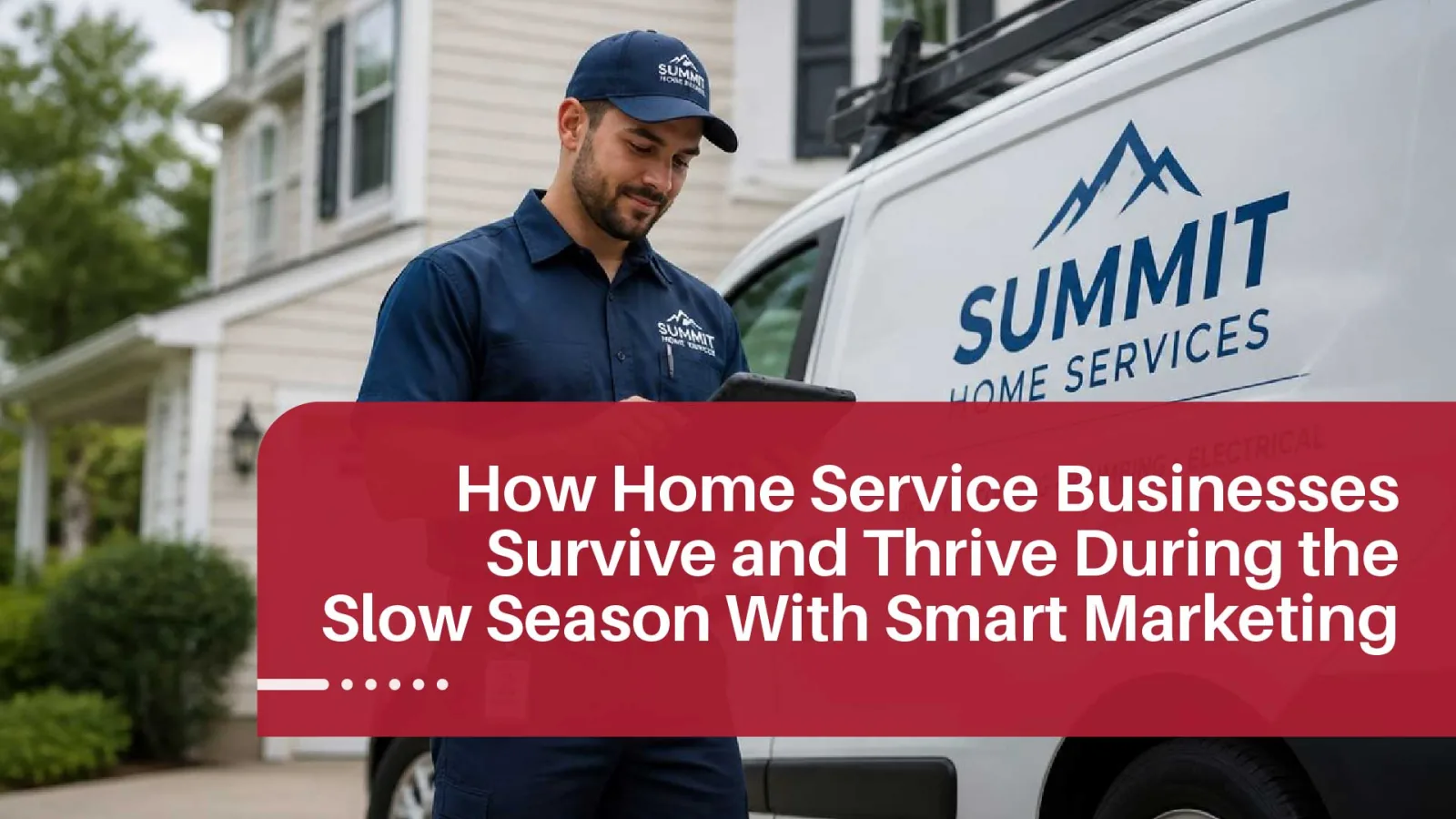
If you run a home service company, you already know the pattern. Summer is chaos. Fall starts to cool off. And then somewhere around late October, you look at the schedule and wonder where everybody went. It is like your phone forgot how to ring.
Every home service business deals with some version of this. HVAC companies see it in spring and fall. Roofers feel it in winter. Landscapers watch it happen as soon as the first frost hits. The slow season is not a surprise. But for some reason, most business owners wait until they are staring at an empty calendar before they start doing something about it.
That is the wrong approach. The time to build your slow season marketing strategy is right now, while you are still busy. Think of it like changing the oil in your truck. You do not wait for the engine to seize. You do it on schedule so everything keeps running.
Written By: Chad J. Treadway | June 02, 2026
Chad is our Chief Smarketing Officer. He will help you survey your small business needs, educating you on your options before suggesting any solution. Chad is passionate about rural marketing in the United States and North Carolina. He also has several certifications through HubSpot to better assist you with your internet and inbound marketing.
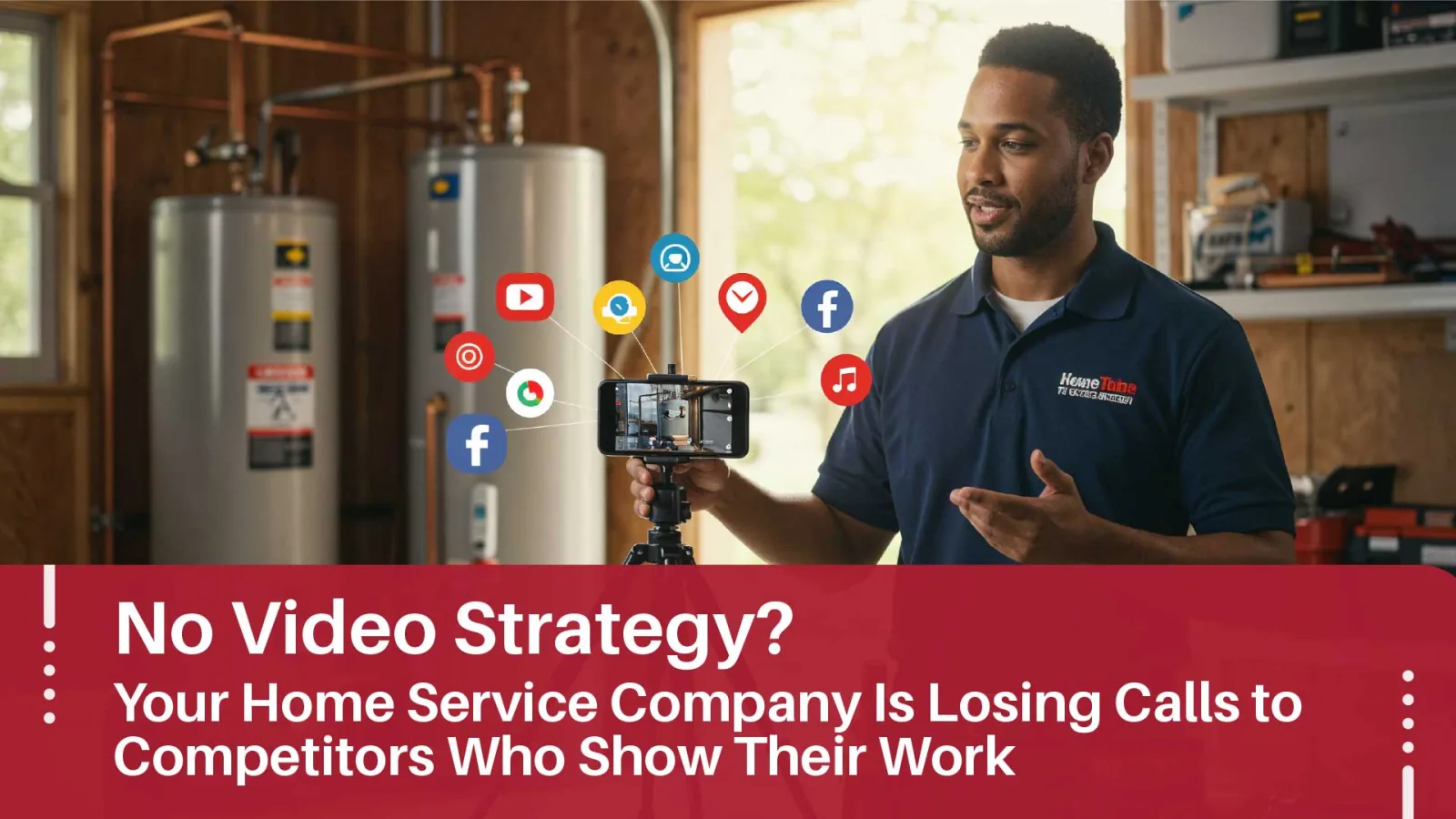
Here is a question every home service business owner should ask themselves: When was the last time you watched a video to learn how to do something? Yesterday? This morning? Your customers are doing the same thing; they just happen to be watching videos about plumbing problems, HVAC installations, and roof repairs.
Video is not optional anymore. It is how homeowners research, evaluate, and choose service companies. And the best part? You do not need a film crew. You need a phone, a willingness to show your work, and about 60 seconds of your time.
This post covers exactly how home service businesses can use video across the three platforms that matter most: YouTube, Google Business Profile, and social media. No theory. No expensive production advice. Just practical steps you can start this week while your crews are already out on job sites.
Written By: Chad J. Treadway | May 26, 2026
Chad is our Chief Smarketing Officer. He will help you survey your small business needs, educating you on your options before suggesting any solution. Chad is passionate about rural marketing in the United States and North Carolina. He also has several certifications through HubSpot to better assist you with your internet and inbound marketing.
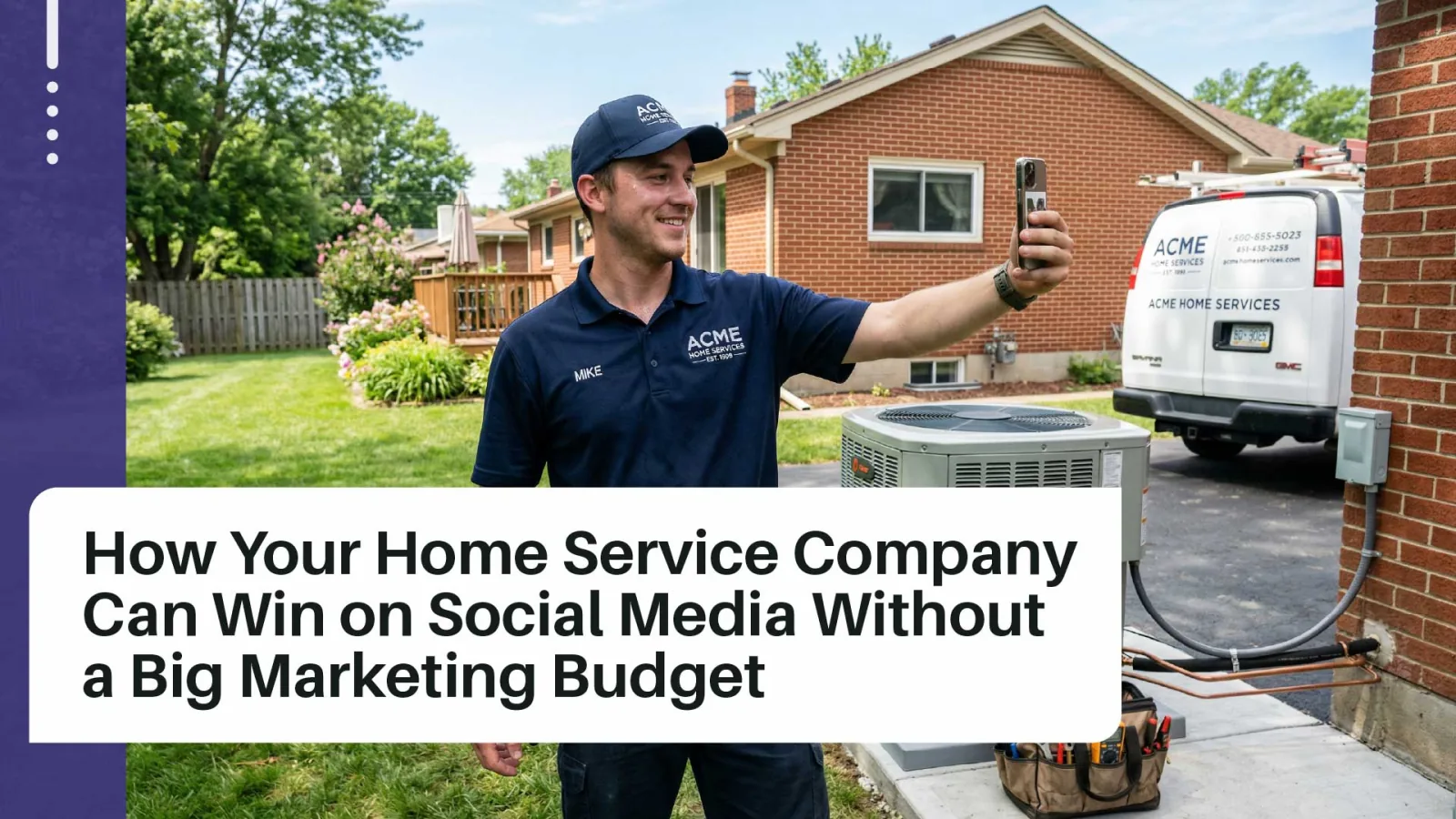
Your competitors are posting on social media. Some of them are posting well. And the ones doing it right are getting calls from homeowners who never even saw your truck drive by. Suppose that bothers you, good. It should. Because social media is not just for brands with marketing departments and content calendars pinned to the wall. It works for home service companies with five trucks and a shared office, too. You just need the right approach.
The problem is not that social media doesn't work for home service businesses. It does. The problem is that most service company owners treat it like an afterthought. A random post here, a shared meme there, then radio silence for three weeks. That is not a strategy. That is a waste of your time.
This post breaks down how to build a social media presence that actually produces results, even if your budget is closer to zero than it is to $1,000 a month.

Written By: Hannah Kilpatrick | May 19, 2026
Hannah Kilpatrick Cube Creative DesignHannah Kilpatrick graduated from Western Carolina University in 2021 with a Bachelor of Science in Communication with a Minor in Marketing and a Concentration in Public Relations. She has been around social media since its creation. (Meaning, she was in the first grade when Facebook became available to the general public.) As our very own professional Gen-Z, Hannah is a whiz when it comes to social media creation and paid advertising.
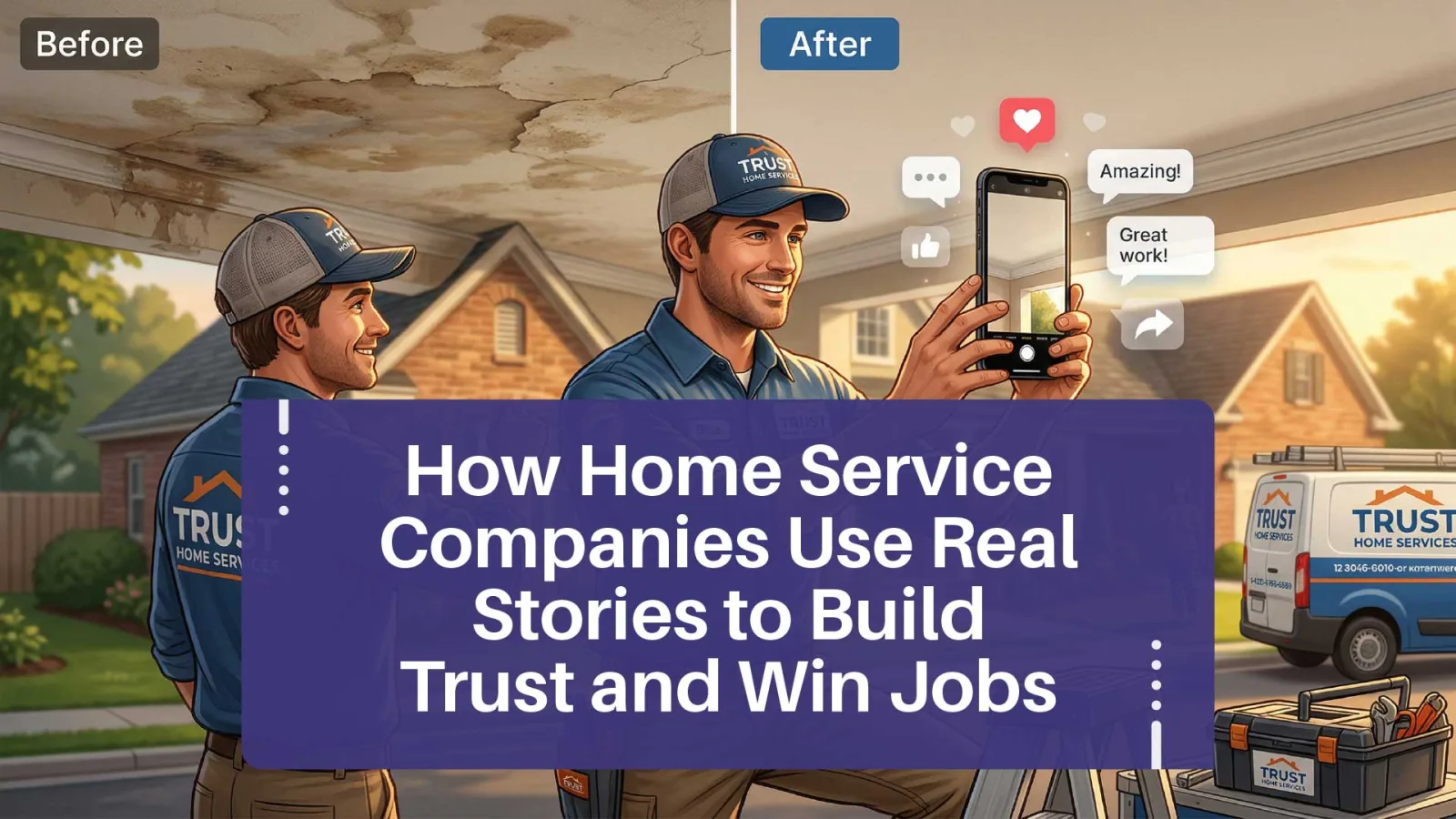
Every home service business has a story. The problem is, most of them never tell.
You are out there every day solving real problems for real people. A family's furnace dies at 2 a.m. in January, and your tech shows up, fixes it, and saves the night. A first-time homeowner finds a sewer line backup the week they move in, and your crew handles it professionally and at a fair price. These are not just jobs. They are stories. And they are the most powerful marketing tool you are not using.
This post is about storytelling for service businesses, not the kind that requires an ad agency or a creative writing degree. The kind that turns your actual work into content that builds trust, creates emotional connections, and wins you more customers.
Written By: Chad J. Treadway | May 12, 2026
Chad is our Chief Smarketing Officer. He will help you survey your small business needs, educating you on your options before suggesting any solution. Chad is passionate about rural marketing in the United States and North Carolina. He also has several certifications through HubSpot to better assist you with your internet and inbound marketing.
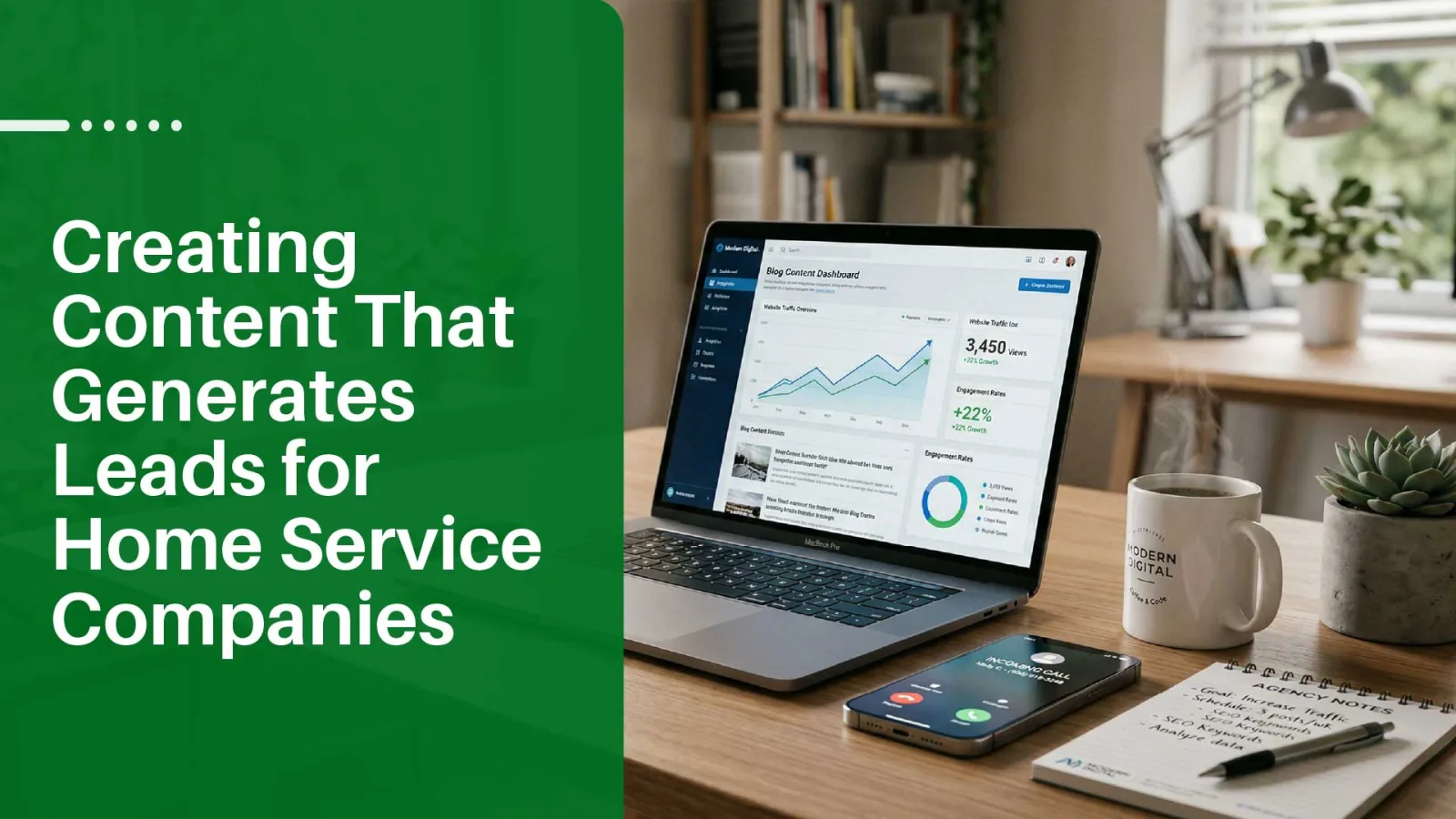
Here is the reality for most home service companies: you have a website, maybe a blog with a few posts from 2021, and a Facebook page your office manager updates when she remembers. And somehow, you are surprised the phone is not ringing more.
That is like painting the truck, parking it in the driveway, and wondering why nobody is calling the number on the door. Content works the same way as that truck; it only generates leads when it is moving. The right content, posted consistently, with a clear call to action, turns your website from a digital brochure into a lead generation machine. The wrong content (or no content at all) just sits there like a truck on blocks.
This post covers exactly what types of content generate actual phone calls and form fills for home service businesses like plumbing, HVAC, roofing, and electrical companies. Not theory. Not a list of 10 content types you will never use. Just the ones that work and how to put them to work during your busiest season.
Written By: Chad J. Treadway | May 07, 2026
Chad is our Chief Smarketing Officer. He will help you survey your small business needs, educating you on your options before suggesting any solution. Chad is passionate about rural marketing in the United States and North Carolina. He also has several certifications through HubSpot to better assist you with your internet and inbound marketing.
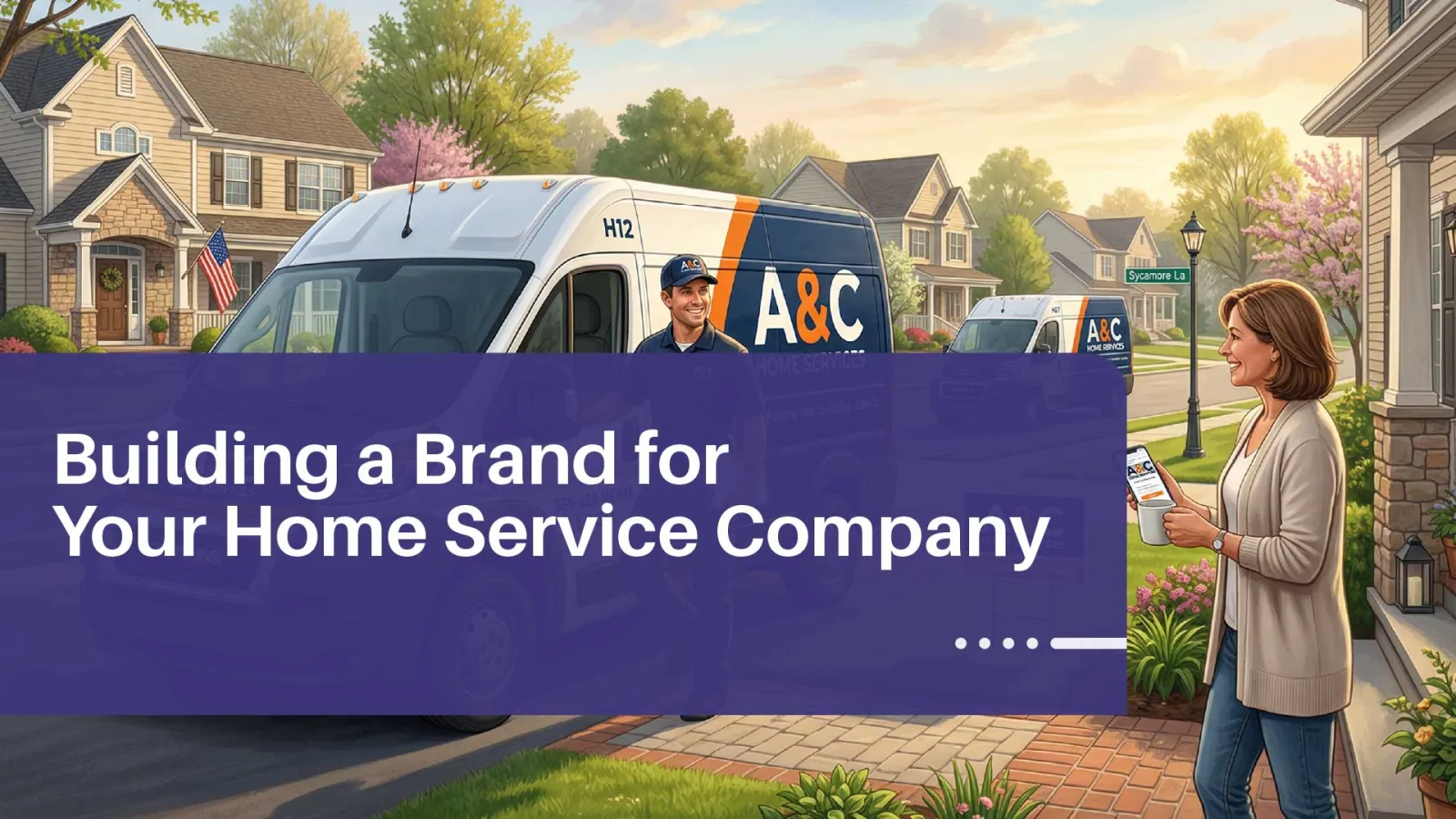
Think of your brand as your business's uniform. When your team shows up in mismatched outfits with different logos and colors, customers start wondering what you're about. That inconsistency costs you money.
Research by Lucidpress found that consistent brand presentation increases revenue by 23-33%. But here's the catch: according to Lucidpress and Demand Metric research, 95% of organizations have brand guidelines, but only 25% (1 in 4) consistently enforce them. A 2019 follow-up study found that 81% of companies still struggle with off-brand content sneaking into their marketing.
If you're running a home service business, every customer touchpoint matters. Your truck, your estimate, your Facebook post, your business card—they all tell your brand story. When that story changes depending on which employee is handling it, you lose trust. When customers see a polished, consistent brand, they see a professional business worth paying for.
This checklist helps you audit your visual brand right now. Print it out, grab a cup of coffee, and let's see what you're doing right and where the gaps are. As a small business owner, your brand is your most valuable asset. Let's make sure it's working as hard as you are.
Written By: Chad J. Treadway | May 05, 2026
Chad is our Chief Smarketing Officer. He will help you survey your small business needs, educating you on your options before suggesting any solution. Chad is passionate about rural marketing in the United States and North Carolina. He also has several certifications through HubSpot to better assist you with your internet and inbound marketing.
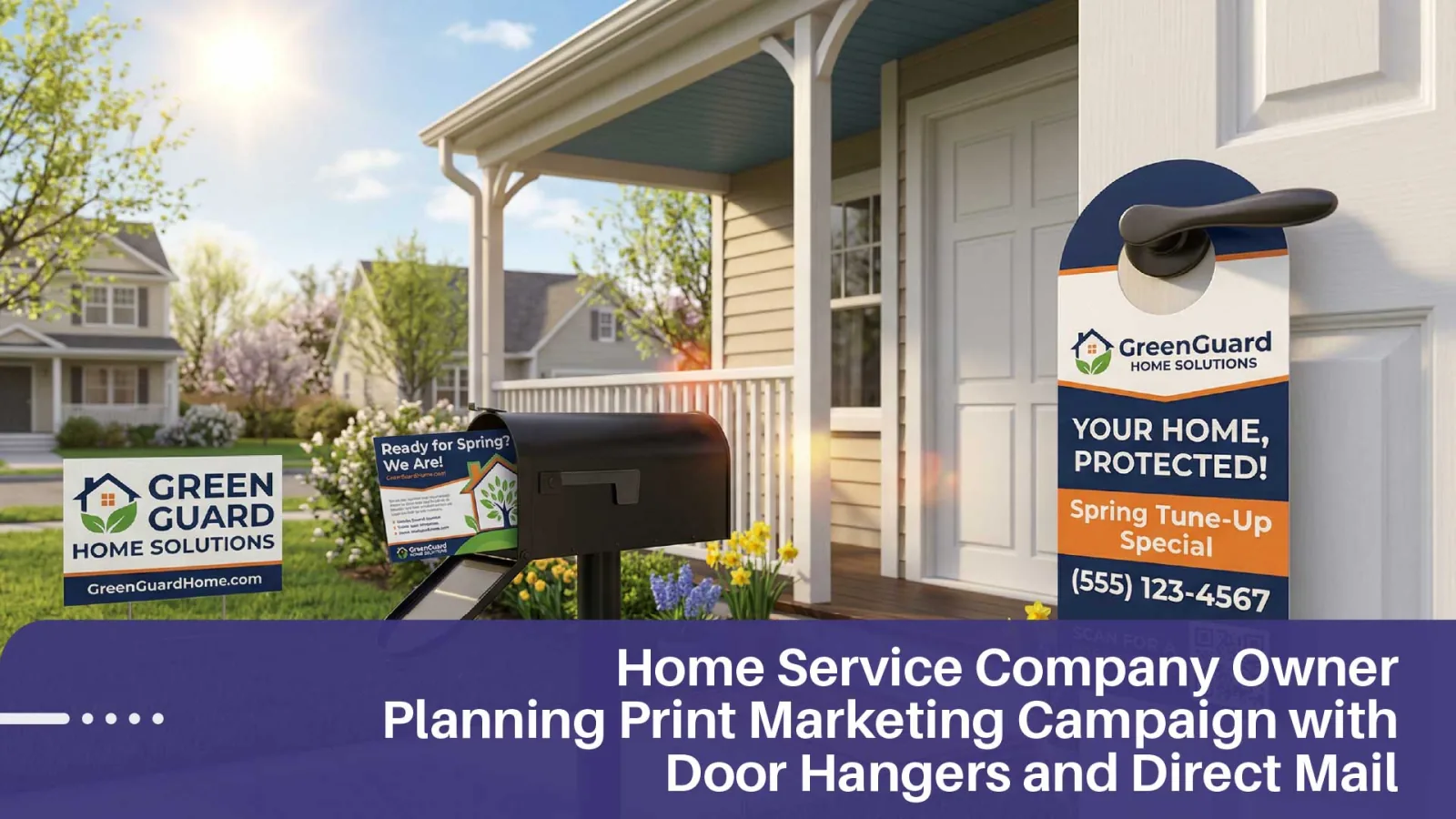
Here's something counterintuitive: in 2024, when everyone talks about digital marketing, print is making a comeback. And for home service companies, it's not nostalgia—it's ROI.
Your market is saturated with digital ads. Homeowners scroll past Google Ads, Facebook campaigns, and sponsored listings every day. But a well-designed door hanger on their doorknob or a personalized mailer in their mailbox? That's different. That's tangible. That's something they notice.
In this post, we'll cover why print marketing works for home service businesses like yours, which specific tactics (door hangers, yard signs, direct mail) deliver the best response rates, and how to integrate print with your digital strategy for 400% better results.
Written By: Chad J. Treadway | April 21, 2026
Chad is our Chief Smarketing Officer. He will help you survey your small business needs, educating you on your options before suggesting any solution. Chad is passionate about rural marketing in the United States and North Carolina. He also has several certifications through HubSpot to better assist you with your internet and inbound marketing.
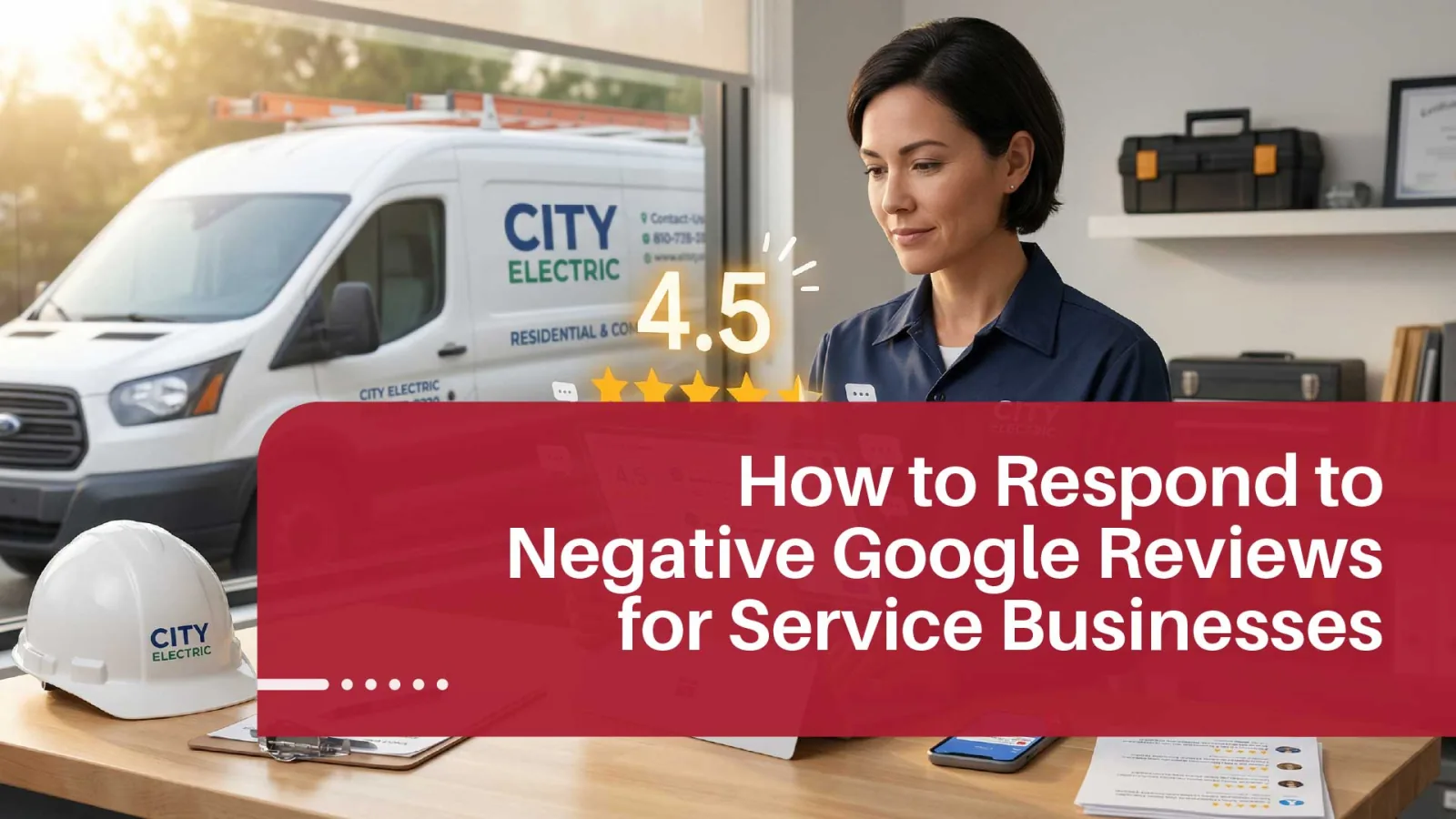
Getting a negative Google review stings. You've worked hard to build your service business, and suddenly someone's bad experience is sitting right there where potential customers see it first. The worst part? You can't delete it. But here's what you can do: respond strategically.
The numbers are sobering. Research compiled by BrightLocal shows that 94% of people say reviews have made them avoid a business (originally reported by ReviewTrackers). BrightLocal's own 2026 consumer survey found that negative reviews deter 77% of consumers.
The good news? You have more control than you think. Your response to negative reviews sends a message to everyone reading those comments—including future customers. This guide shows you exactly how to handle negative reviews in a way that protects your reputation and can actually win back trust.
If you're running a home service company and want to build a strong brand, managing your online reputation is non-negotiable. Let's walk through how to do it right.
Written By: Chad J. Treadway | April 14, 2026
Chad is our Chief Smarketing Officer. He will help you survey your small business needs, educating you on your options before suggesting any solution. Chad is passionate about rural marketing in the United States and North Carolina. He also has several certifications through HubSpot to better assist you with your internet and inbound marketing.
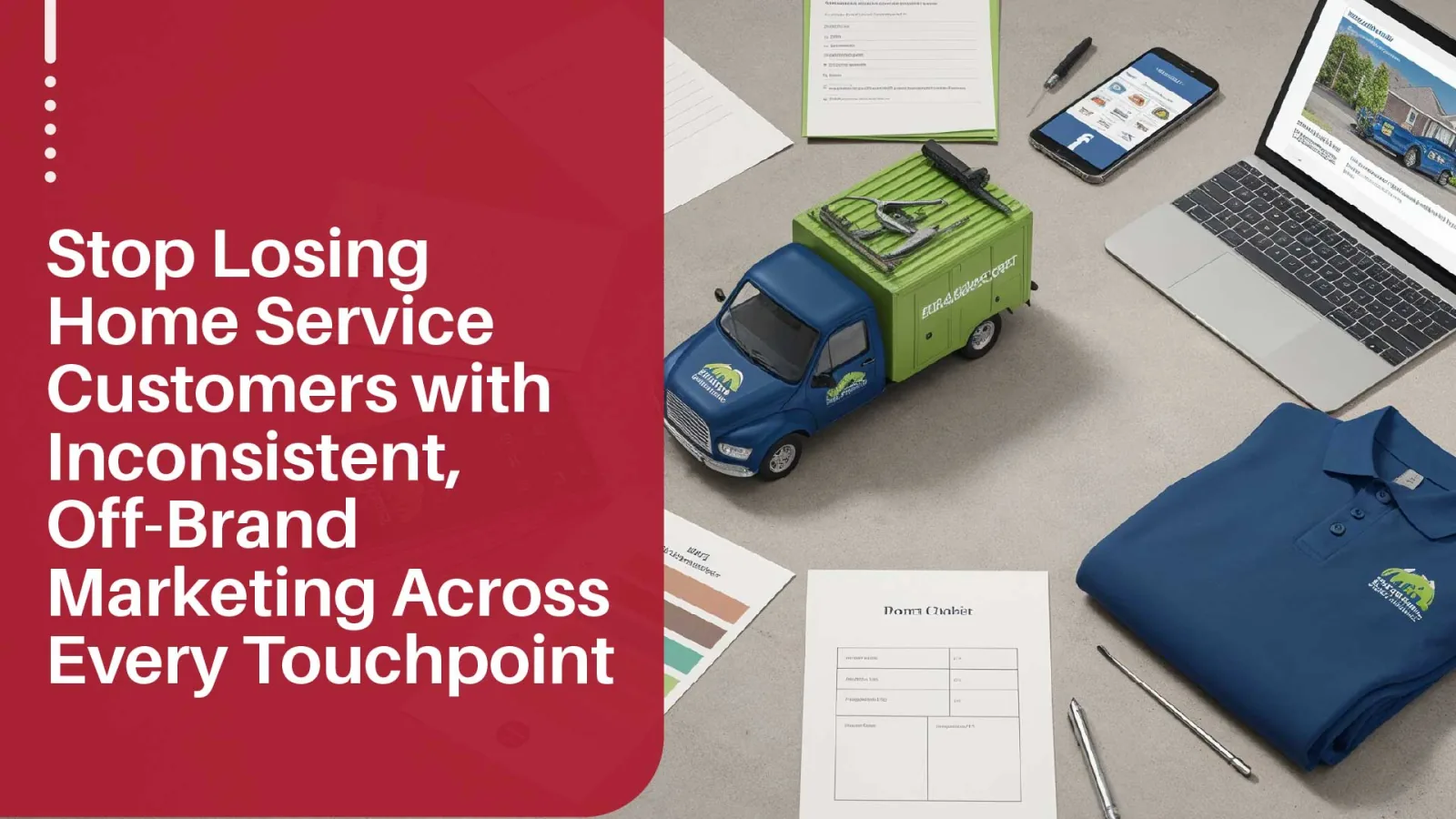
You started your home service company because you're good at what you do. Maybe you're the best HVAC tech in the county or the plumber everybody recommends at the hardware store. But somewhere between hiring your third employee and fielding your hundredth call, you realize something: people aren't just choosing you for your skills anymore. They're choosing between you and five other companies that all claim to be "reliable" and "professional."
That's where branding comes in. And no, I don't just mean your logo.
At Cube Creative Design, we work with home service companies every day, and the ones that stand out in their markets aren't always the biggest or the cheapest. They're the ones with a brand that feels like something. Something real, something consistent, something that makes a homeowner think, "Yeah, these are my people."
If you've been running your business for a few years and you're ready to stop being "just another service company," this post is for you. Let's talk about what branding actually means for a service business and how to build one that works as hard as you do.
Written By: Chad J. Treadway | April 07, 2026
Chad is our Chief Smarketing Officer. He will help you survey your small business needs, educating you on your options before suggesting any solution. Chad is passionate about rural marketing in the United States and North Carolina. He also has several certifications through HubSpot to better assist you with your internet and inbound marketing.
Pull up Google and search for any home service in your area. Look at the results. Every company says the same thing: "reliable," "professional," "family-owned," "serving [city] since [year]." If everyone is saying the same thing, nobody stands out. And if nobody stands out, homeowners pick whoever shows up first or whoever has the most reviews.
That's the challenge for home service companies trying to grow in a competitive local market. Doing good work isn't enough to differentiate you online. You need to be intentionally different in ways that homeowners can see, feel, and remember.
Here are five strategies that actually work for service area businesses that want to stand out online, without big-brand budgets or corporate marketing teams.
Written By: Chad J. Treadway | March 26, 2026
Chad is our Chief Smarketing Officer. He will help you survey your small business needs, educating you on your options before suggesting any solution. Chad is passionate about rural marketing in the United States and North Carolina. He also has several certifications through HubSpot to better assist you with your internet and inbound marketing.