If you've been running a home service company for any length of time, you've probably had someone tell you that you need to be making videos. And someone else has told you that you need to be blogging. They're both right, and they're both wrong, because the answer depends entirely on what you're trying to accomplish.
Video content and written content aren't competing strategies. They're different tools for different jobs, like a pipe wrench and a multimeter. You wouldn't use one where the other belongs, and you'd be foolish to only carry one in your truck. The question isn't whether to use video or written content. It's when to use each one and where to put it so it actually works for your business.
Here's a practical breakdown of video vs written content for home service companies, based on what actually drives results for plumbing, HVAC, roofing, and electrical businesses.

Written By: Chad J. Treadway | March 25, 2026
Chad is our Chief Smarketing Officer. He will help you survey your small business needs, educating you on your options before suggesting any solution. Chad is passionate about rural marketing in the United States and North Carolina. He also has several certifications through HubSpot to better assist you with your internet and inbound marketing.
A plumbing contractor in Charlotte spent six months building her local brand before she realized something: three out of four people calling to ask about her services mentioned they were interested in water-saving fixtures. She hadn't marketed that angle. They'd found it themselves.
That contractor discovered what market data has been quietly saying for a few years: homeowners aren't just willing to pay for eco-friendly services—they're actively seeking them out. The National Association of Home Builders reports that 9 out of 10 homebuyers prefer a home with energy-efficient features that lower energy costs. Research from Optimove's 2023 consumer survey found that 70% of consumers consider buying from environmentally responsible companies important when making purchase decisions.
If you're a home service business owner offering any kind of green option—energy-efficient HVAC installs, low-flow plumbing, water-conserving landscaping, integrated pest management, or organic lawn care—you've got a built-in marketing advantage. Homeowners want what you're offering. The question isn't whether to market eco-friendly practices. It's how to position them so potential customers find you instead of the contractor down the road.
This post covers why homeowners care about green services, what they're actively searching for, and how to make eco-friendly practices the centerpiece of your company's marketing strategy.
Written By: Chad J. Treadway | March 24, 2026
Chad is our Chief Smarketing Officer. He will help you survey your small business needs, educating you on your options before suggesting any solution. Chad is passionate about rural marketing in the United States and North Carolina. He also has several certifications through HubSpot to better assist you with your internet and inbound marketing.
Your truck wrap looks sharp. Your technicians show up on time. Your work is solid. But none of that matters if the first thing a potential customer sees when they Google your company is a one-star review from someone who was upset about scheduling.
For home service companies, your online reputation is your storefront. Before a homeowner ever calls you, they've already looked you up, read your reviews, and compared you to at least two other companies. One bad review sitting unanswered on your Google Business Profile can undo months of great work.
The good news is that online reputation management for home service companies isn't complicated. It takes consistency, a simple process, and the willingness to respond when things go sideways. Let's walk through what it looks like in practice.
Written By: Chad J. Treadway | March 19, 2026
Chad is our Chief Smarketing Officer. He will help you survey your small business needs, educating you on your options before suggesting any solution. Chad is passionate about rural marketing in the United States and North Carolina. He also has several certifications through HubSpot to better assist you with your internet and inbound marketing.
A growing HVAC contractor with 18 technicians was losing market share to a competitor down the street. Both companies charged similar rates, both had solid reputations, and both served the same geographic area. The difference? When a homeowner searched "emergency HVAC repair near me" at 9 PM on a Sunday, the competitor appeared in the top three Google map results. The HVAC contractor didn't show up until page two of the regular search results. That visibility gap meant the competitor got the urgent call—and the $3,000 service visit. This scenario repeats itself thousands of times daily across plumbing, roofing, electrical, and other home service companies searching for a way to reach more customers.
Most home service business owners treat SEO as a mystery. They hear the acronym and think of blogging, keywords, and technical jargon that have nothing to do with their actual business. But SEO for service area businesses isn't about chasing Google traffic from across the country. It's about appearing first when someone in your geographic market is actively looking to hire you right now.
This guide explains how to build a practical SEO strategy designed specifically for home service contractors. You'll learn what local search optimization actually means, how Google's ranking system works for service businesses, what Google Business Profile optimization can do for your visibility, and how to implement a system that generates qualified leads from your area.
Written By: Chad J. Treadway | March 17, 2026
Chad is our Chief Smarketing Officer. He will help you survey your small business needs, educating you on your options before suggesting any solution. Chad is passionate about rural marketing in the United States and North Carolina. He also has several certifications through HubSpot to better assist you with your internet and inbound marketing.
Every home service business hits a rough patch. Maybe it's a seasonal slowdown where the phone goes quiet for weeks. Maybe it's an economic downturn that makes homeowners put off that new HVAC system or roof replacement. Or maybe it's just one of those stretches where everything that could go wrong does.
Here's what separates the home service companies that make it through from the ones that don't: it's not luck. It's preparation, smart decisions, and a willingness to adjust before things get desperate.
If you're running an HVAC, plumbing, roofing, or electrical company with a handful of employees and you're worried about what happens when business slows down, this post is for you. These are home service business tough times strategies that actually work, from owners who've been there.
Written By: Chad J. Treadway | March 12, 2026
Chad is our Chief Smarketing Officer. He will help you survey your small business needs, educating you on your options before suggesting any solution. Chad is passionate about rural marketing in the United States and North Carolina. He also has several certifications through HubSpot to better assist you with your internet and inbound marketing.
A solo plumber in North Carolina spent $300 a month on a generic digital marketing package from a national agency. The package promised "proven lead generation strategies." Six months later, he'd received 12 low-quality inquiries from outside his 40-mile service area. He canceled the contract, frustrated and out $1,800. His problem wasn't that he needed more marketing—it was that the marketing was built for every business instead of for home service companies.
This scenario repeats itself thousands of times annually. Home service business owners invest in marketing advice and tactics designed for e-commerce stores, SaaS companies, or consumer product brands. They wonder why conversion rates are terrible and why they're throwing money at strategies that work for someone else's industry—just not theirs.
The issue is fundamental: home service marketing operates under completely different rules than general business marketing. Your customers aren't shopping online for a commodity product. They're looking for a trusted local expert who can solve an urgent problem—a leaky pipe, a failing AC system, or a roof ready to fail. They want to see reviews, confirm you serve their area, and pick up the phone. Generic marketing misses every one of these triggers.
This post explains why cookie-cutter marketing tactics fail for plumbing, HVAC, roofing, electrical, landscaping, and other home service trades—and what works instead.
Written By: Chad J. Treadway | March 10, 2026
Chad is our Chief Smarketing Officer. He will help you survey your small business needs, educating you on your options before suggesting any solution. Chad is passionate about rural marketing in the United States and North Carolina. He also has several certifications through HubSpot to better assist you with your internet and inbound marketing.

You wouldn't show up to a service call in a beat-up van with no logo, a cracked windshield, and a handwritten phone number on the door. But that's basically what a lot of home service businesses are doing online. Their website is the digital equivalent of that van, and homeowners are making a judgment call before they ever pick up the phone.
Here's the thing: your professional website home service business depends on isn't just a digital business card. It's the front door to your company. It's the first impression, the trust builder, and often the deciding factor between you and the other plumber, HVAC tech, or roofer who shows up in the same Google search. And in 2026, the bar for what "professional" looks like has gone up.
If you're running a small service area business with a handful of employees and a website you set up on a Saturday afternoon three years ago, this post is for you. Let's talk about what a professional website actually looks like for an SAB, why it matters more than ever, and what you need to have on yours to turn visitors into booked jobs.
Written By: Chad J. Treadway | March 05, 2026
Chad is our Chief Smarketing Officer. He will help you survey your small business needs, educating you on your options before suggesting any solution. Chad is passionate about rural marketing in the United States and North Carolina. He also has several certifications through HubSpot to better assist you with your internet and inbound marketing.
Six months ago, Mike opened his plumbing company from his garage with a truck he'd financed and a website he built himself on a free template. He had zero customers and a $200/month budget for marketing—if he could even spare that from cash flow. He couldn't afford a marketing agency. He couldn't afford expensive Facebook ads or Google Local Services Ads. He needed a way to get customers cheap, and he needed it fast.
Mike's situation is the reality for most new home service company owners. You're bootstrapping. You're working 60-hour weeks. Every dollar you spend on marketing is a dollar you're not putting back into the business or paying yourself. You need tactics that either cost nothing or deliver obvious ROI.
Here's the good news: some of the most effective marketing tactics for new service companies cost almost nothing. They require time, effort, and consistency—but not cash. A free Google Business Profile, yard signs, door hangers, referral systems, Nextdoor posts, and truck lettering can land your first customers without melting your budget.
This post covers six marketing strategies that work for solo plumbers, electricians, HVAC technicians, and other service trades starting from zero. All of them fit Mike's reality: tight budget, no brand recognition, and immediate need for qualified calls.
Written By: Chad J. Treadway | March 03, 2026
Chad is our Chief Smarketing Officer. He will help you survey your small business needs, educating you on your options before suggesting any solution. Chad is passionate about rural marketing in the United States and North Carolina. He also has several certifications through HubSpot to better assist you with your internet and inbound marketing.

If you've talked to any advertising rep lately, you've probably heard the pitch for geofencing. Draw a virtual fence around your competitor's location. Serve ads to everyone who walks inside. Watch the customers roll in. It sounds almost too good to be true. And depending on your business, it might be.
Geofencing can be a powerful tool for the right business. But for others, it's an expensive way to generate impressions that never turn into customers. The difference comes down to one thing: how your customers actually make buying decisions.

Written By: Adam Bennett | January 21, 2026
Adam is the president and founder of Cube Creative Design and specializes in private school marketing. Since starting the business in 2005, he has created individual relationships with clients in Western North Carolina and across the United States. He places great value on the needs, expectations, and goals of the client.
Getting your home service business website online is like installing a brand-new HVAC system in your house. Sure, it's great to have it up and running, but if you're not monitoring it regularly, you won't know there's a problem until you're sweating through a July heatwave or shivering in January. And by then? The damage is already done.
Your website isn't just a digital business card anymore; it's your 24/7 salesperson, your first impression, and often the deciding factor between you and your competitor. But here's the uncomfortable truth: most contractors don't realize that your website could be costing you thousands of dollars in lost revenue right now, and they might not even know it.
Research from Gartner (as reported by Atlassian) shows that website downtime costs businesses an average of $5,600 per minute. Think that's just for the big players? Think again. For small businesses specifically, the financial hit ranges from $137 to $427 per minute. That's like leaving your truck running with the keys in it, doors unlocked, in the middle of a busy parking lot while you grab lunch.
In this guide, we're going to break down why monitoring your website isn't just important—it's essential. We'll cover what you need to watch, how to watch it, and most importantly, how protecting your digital storefront protects your bottom line.
Written By: Chad J. Treadway | December 29, 2025
Chad is our Chief Smarketing Officer. He will help you survey your small business needs, educating you on your options before suggesting any solution. Chad is passionate about rural marketing in the United States and North Carolina. He also has several certifications through HubSpot to better assist you with your internet and inbound marketing.
According to Wix, 89% of businesses use video as a core marketing tool in 2025. By 2029, the global YouTube user base will reach1.2 billion, according to Statista. That's a lot of potential customers you're not reaching if you're not on the platform. If you're running a home service business and haven't figured out your video strategy yet, you're not just behind the curve; you're watching potential customers scroll past your competitors' video content while your text-heavy website collects digital dust.
But here's where it gets interesting: choosing a video hosting platform isn't like picking a new drill. Get it wrong, and you're not just out a few hundred bucks. You're hemorrhaging leads, wasting time uploading content to the wrong place, and potentially sending your hard-won website traffic straight to your competitors.
The good news? The decision is simpler than the marketing blogs make it sound. It really comes down to one critical question: Do you want to rent someone else's audience or own your viewer experience?
Let's cut through the feature-list nonsense and figure out which platform actually helps you book more jobs.
Written By: Adam Bennett | December 22, 2025
Adam is the president and founder of Cube Creative Design and specializes in private school marketing. Since starting the business in 2005, he has created individual relationships with clients in Western North Carolina and across the United States. He places great value on the needs, expectations, and goals of the client.
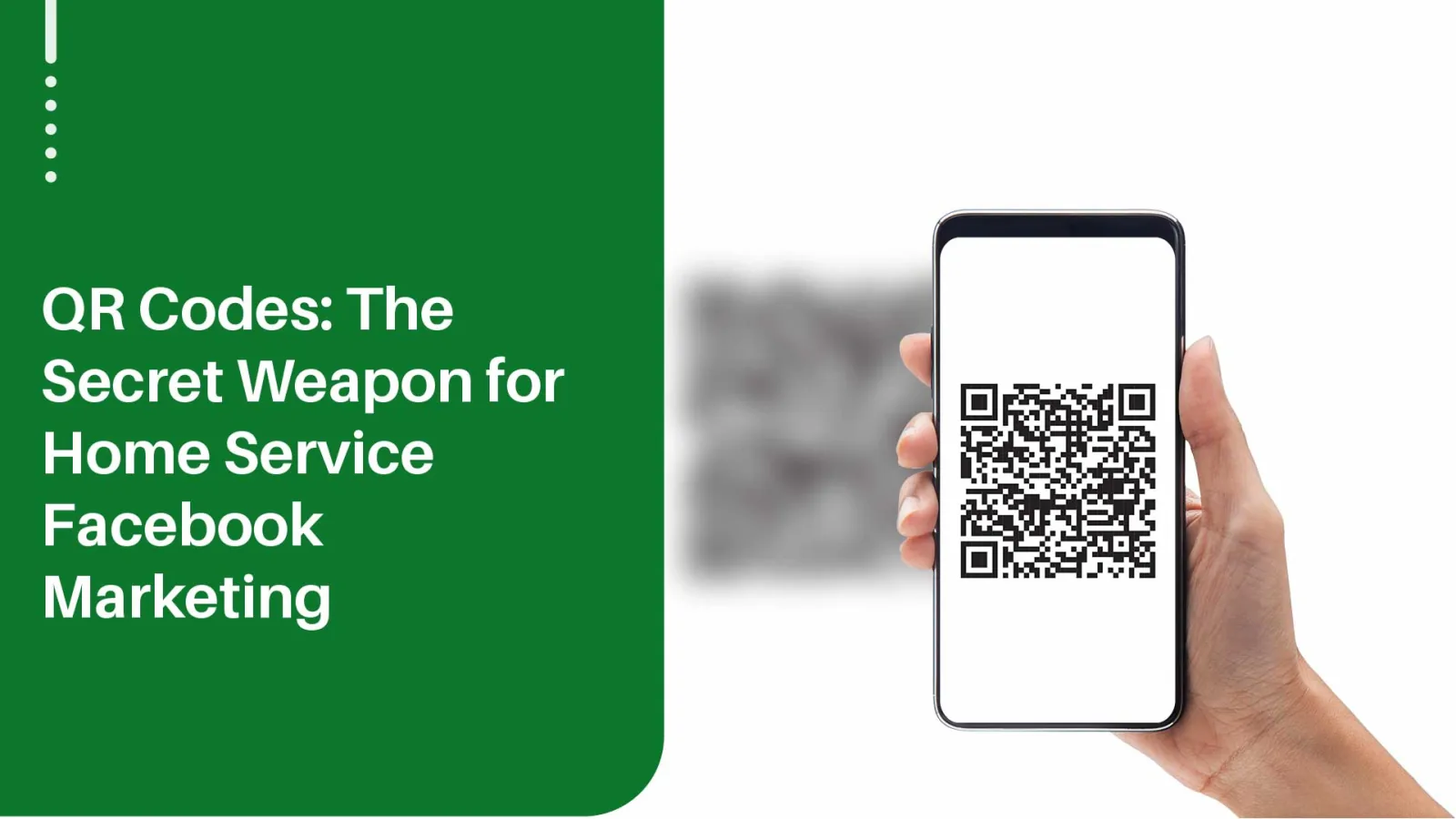
You just finished a great job. The customer is happy, you shake hands, and they promise to leave a review. Three weeks later? Nothing. They forgot your business name, can't find your Facebook page, and you've lost a golden opportunity to turn one satisfied customer into dozens of new leads.
Here's the reality: Your best marketing asset isn't your truck wrap or your business cards. It's the physical moment when a customer is standing right in front of you, already impressed with your work. And if you're not capturing that moment and turning it into a digital connection, you're leaving serious money on the table.
Facebook isn't just another social platform. While competitors specialize—Instagram for photos, TikTok for short videos, LinkedIn for professional networking—Facebook remains the all-in-one hub where you can showcase your work, share customer testimonials, run ads, manage groups, sell services, and answer questions. For home service businesses, that versatility translates to one place where your entire customer journey can unfold.
QR codes aren't just some trendy tech gimmick. They're the bridge between your physical presence and your digital community. And the numbers back it up: QR code usage has exploded by 323% from 2021 to 2024. The United States now accounts for 43.9% of all QR code scans worldwide in 2023.
Traditional advertising is a monologue—you broadcast your message and hope someone's listening. QR codes transform that monologue into a conversation. When someone scans your code, they're not just receiving information; they're actively choosing to engage with your brand. That shift from one-way communication to two-way interaction fundamentally changes the relationship dynamic and dramatically increases the likelihood of conversion.
This isn't about keeping up with technology. It's about capturing every opportunity to grow your Facebook following, build a retargetable audience, and actually measure which marketing channels are working. Let's break down exactly how to make this happen.

Written By: Hannah Kilpatrick | December 15, 2025
Hannah Kilpatrick Cube Creative DesignHannah Kilpatrick graduated from Western Carolina University in 2021 with a Bachelor of Science in Communication with a Minor in Marketing and a Concentration in Public Relations. She has been around social media since its creation. (Meaning, she was in the first grade when Facebook became available to the general public.) As our very own professional Gen-Z, Hannah is a whiz when it comes to social media creation and paid advertising.