
Good content drives good traffic. So if you’re new to the online realm, what does that even mean?
Content strategy involves the planning, creation, delivery, and governance of content. Its goal is to make a good user experience on your website by using words, images, and interactive elements in a well-structured and relevant way.

Written By: Chad J. Treadway | July 13, 2021
Chad is our Chief Smarketing Officer. He will help you survey your small business needs, educating you on your options before suggesting any solution. Chad is passionate about rural marketing in the United States and North Carolina. He also has several certifications through HubSpot to better assist you with your internet and inbound marketing.
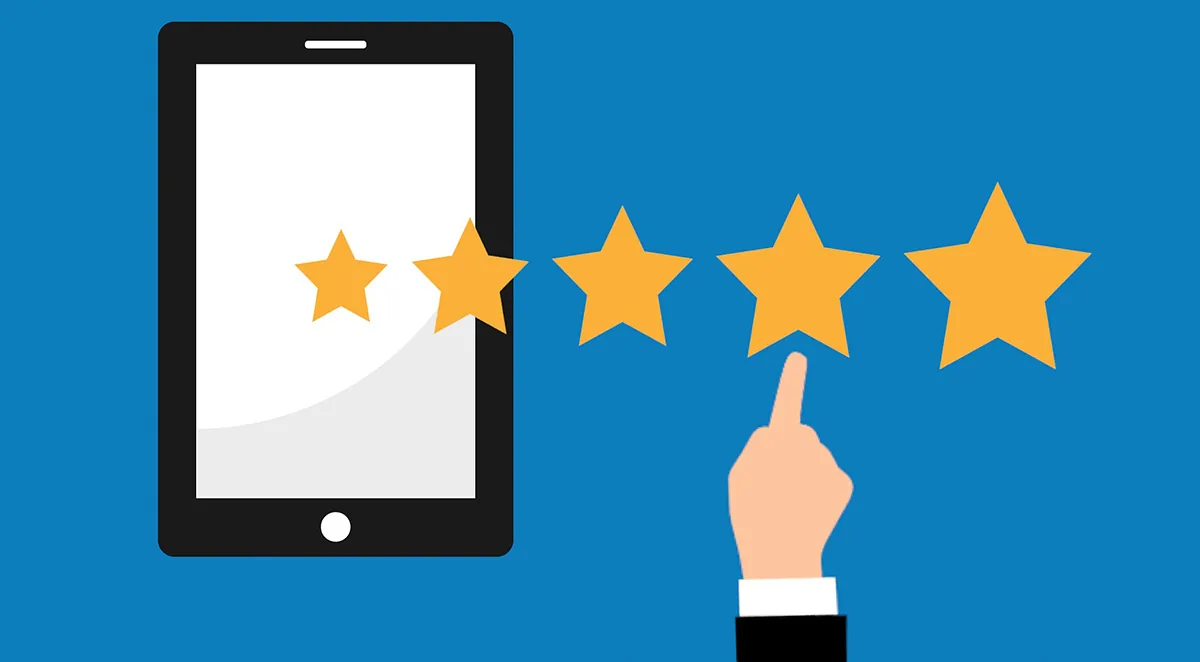
When it comes to online reviews, they help show prospects valuable social proof and create trust. It can also help your small business’s website rank higher in search results. In this guide to getting online client reviews, we want to help you learn how to get more and respond to them.
Written By: Chad J. Treadway | July 08, 2021
Chad is our Chief Smarketing Officer. He will help you survey your small business needs, educating you on your options before suggesting any solution. Chad is passionate about rural marketing in the United States and North Carolina. He also has several certifications through HubSpot to better assist you with your internet and inbound marketing.

A vital component of private school marketing is customer relationship management (CRM). CRM is a must for schools and other types of businesses to thrive. The good thing is there are available tools to help businesses out with their CRM.
If you start using CRM software, not only it will help you with customer relationship management. It can also help you manage your prospects, turn your inbound marketing into a lead-generating machine, and promote customer satisfaction by streamlining the admission process.

Written By: Adam Bennett | July 05, 2021
Adam is the president and founder of Cube Creative Design and specializes in private school marketing. Since starting the business in 2005, he has created individual relationships with clients in Western North Carolina and across the United States. He places great value on the needs, expectations, and goals of the client.
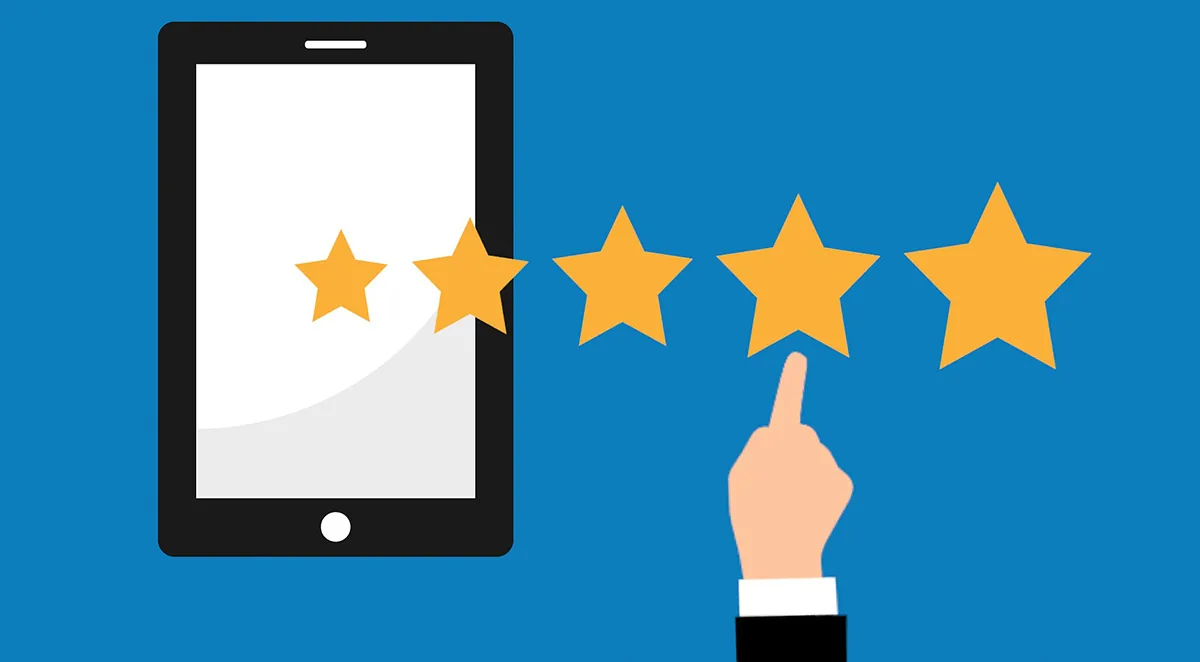
Are online customer reviews trustworthy?
A quick and simple answer is yes. In general, you can trust reviews online. For one, a lot of platforms have been successful in their efforts to crack down on fake and unverified reviews. They no longer let anonymous reviewers post on their sites.
Online reviews provide consumers with detailed feedback from their point of view. This provides readers with a perspective other than that of the business. The business is likewise not always capable of providing such feedback.
It is important, however, for users to exercise due diligence when browsing online reviews. It is a good idea to read numerous reviews of the same product. This can help you appreciate and understand the product through a wide variety of customer experiences.
When reading reviews, you also need to be selective on what to believe and which ones to take with a grain of salt. For example, if you come across a review that seems too exceptional to be true, then it probably is something to be skeptical about.
Written By: Adam Bennett | June 28, 2021
Adam is the president and founder of Cube Creative Design and specializes in private school marketing. Since starting the business in 2005, he has created individual relationships with clients in Western North Carolina and across the United States. He places great value on the needs, expectations, and goals of the client.

From its inception, social media was designed to be a way to connect with people. Facebook, Twitter, Instagram, Pinterest, Snapchat, and other social media sites provide innovative ways to connect with friends, businesses, share recipes and even find your soulmate. With all the benefits, it also seems to be where there are people there are criminals and scalawags that want to take your hard-earned money. Unfortunately, the global pandemic didn’t help matters as the sites and apps became a haven for scammers.
According to the FTC, “people lost money to scams that started on social media more than tripled in the past year, with a sharp increase in the second quarter of 2020.”

As you can see reports of social media scams are nothing new. Many of the reports to the FTC had an e-commerce hook, where often an ad was shown targeting a particular audience. Often times the ads look legitimate but the company name may be unusual or “fishy” sounding.
Here are a few common scams by the platform they are most likely found on:

Written By: Hannah Kilpatrick | June 24, 2021
Hannah Kilpatrick Cube Creative DesignHannah Kilpatrick graduated from Western Carolina University in 2021 with a Bachelor of Science in Communication with a Minor in Marketing and a Concentration in Public Relations. She has been around social media since its creation. (Meaning, she was in the first grade when Facebook became available to the general public.) As our very own professional Gen-Z, Hannah is a whiz when it comes to social media creation and paid advertising.
As someone who makes their living helping small businesses grow, I am often asked about advertising on the internet. An acquaintance, friend, prospect, or client will ask what do you think about Facebook ads, Google Ads, or Pay-per-click (PPC). My reply is usually it depends. Not to be vague, but it is an impossible answer without more context. With that being said, I see many pros and cons of them. In this post, I will attempt to educate you on how we got here, the pros and cons of using Google Search Ads so you can make an informed decision as to what is best for you and your business. I will also give you a few tips if you choose to go at it alone.
Written By: Chad J. Treadway | June 21, 2021
Chad is our Chief Smarketing Officer. He will help you survey your small business needs, educating you on your options before suggesting any solution. Chad is passionate about rural marketing in the United States and North Carolina. He also has several certifications through HubSpot to better assist you with your internet and inbound marketing.

If your private school's enrollment has been declining recently, it may be the best time to consider automating your marketing campaign. Around 50% of school leaders say that enrollment has been dwindling during the pandemic, adding that the phenomenon is observable in the pre-school level up to the secondary level.
With a marketing automation tool, you can free yourself from attending to smaller tasks and focus on the part of your funnel that needs more of your attention.
Faced with this challenge, you need to boost your private school marketing campaign, and one of the ways to do it is to automate your processes. Salesforce reported that nearly 70% of marketing leaders depend on marketing automation, and 1 out of every 5 of them plan to use a new marketing automation platform soon.
Written By: Adam Bennett | June 17, 2021
Adam is the president and founder of Cube Creative Design and specializes in private school marketing. Since starting the business in 2005, he has created individual relationships with clients in Western North Carolina and across the United States. He places great value on the needs, expectations, and goals of the client.

According to a report by CNBC, "American companies hold an estimated 11 million meetings every day." Now that was pre-pandemic, but that is still a lot of meetings!
Now I am sure we have all walked away from a meeting and said that was a complete waste of time, that could have been an email, or I don't even know where I was there. We have also been in meetings where people are so disengaged it is not even funny. Take the person who stays on their phone the entire time as if to say I have better things to do.
Written By: Chad J. Treadway | June 14, 2021
Chad is our Chief Smarketing Officer. He will help you survey your small business needs, educating you on your options before suggesting any solution. Chad is passionate about rural marketing in the United States and North Carolina. He also has several certifications through HubSpot to better assist you with your internet and inbound marketing.
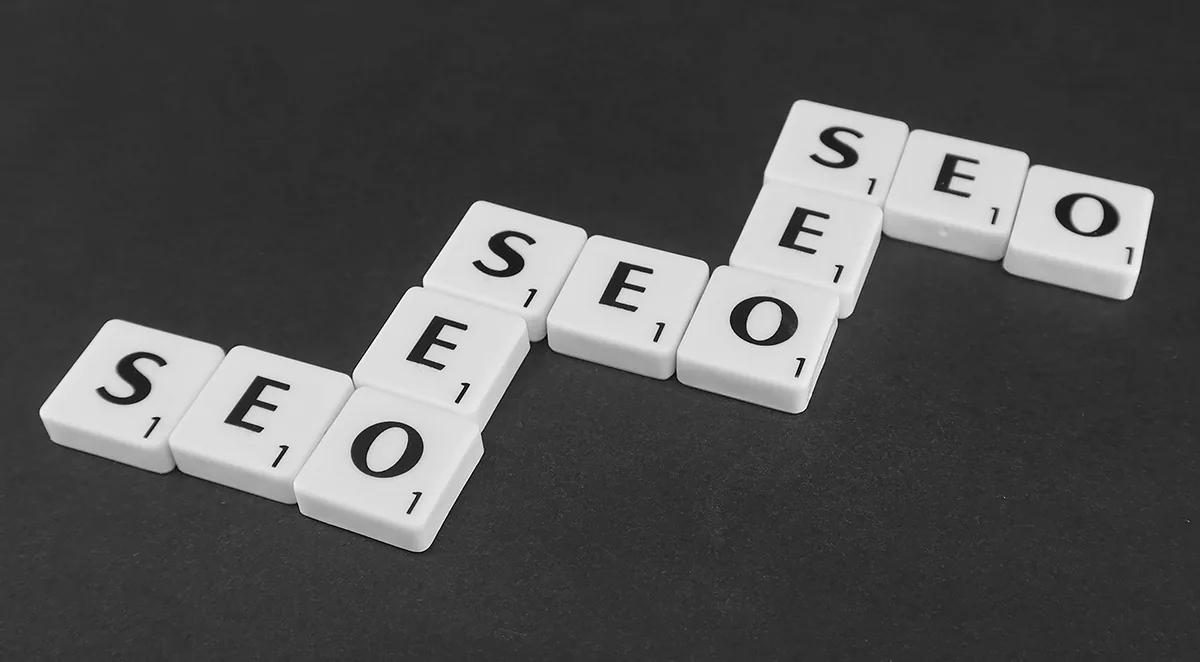
If searchers search for a specific business in your area, it's important to appear near the top to get the maximum benefit. The question is, how do you ensure that you are showing up? The answer is simple, by utilizing local search engine optimization (Local SEO) techniques.
If you think of SEO as a broad category, local SEO is but a subsection of it. However, if you are looking to attract local businesses, then local SEO is key to your success. Organic SEO refers to any method of marketing that relies on natural, organic listings in the search results instead of paid links such as paid social media marketing or pay per click (PPC). For most small businesses, paid social or PPC can be cost-prohibitive. However, utilizing organic SEO techniques, you ensure your website ranks for key searches.
Written By: Chad J. Treadway | June 10, 2021
Chad is our Chief Smarketing Officer. He will help you survey your small business needs, educating you on your options before suggesting any solution. Chad is passionate about rural marketing in the United States and North Carolina. He also has several certifications through HubSpot to better assist you with your internet and inbound marketing.

Think about this, today’s school-age children have grown up with the internet being nearly at their fingertips. For most, Google has always been around, and “smartphones” have always been in their parent’s pockets. These kids will use their cell phones, laptops, or tablets to communicate, entertain, and learn new information.
If you were to show them a phonebook, an encyclopedia, a card catalog, or a printed map, they may look at you dumbfounded and say, “Bruh.” This is code for why you are using such an outdated and archaic method to find something.
To those of us who grew up and can remember when the internet wasn’t in our pocket or a voice command away, we know those items were how you found information. Now they are found in museums, antique stores, and possibly at the Grandparents’ house.
Having an online presence is a necessity. Your private school’s website and social media accounts should constantly produce new enrollment and brand awareness opportunities. If you are a principal, headmaster, or over admissions in some way and you realize that your website or social media isn’t producing, then you should consider spending time make sure they maximize their purposes.
Let’s address your website as you have the most control over it. You will want visitors to navigate through your website on a particular path. Think of it as a good story, but one where they can jump in at almost any part and realize exactly what is happening.
Think about this, as you perform a search, you are taken to a page that should have the answer to your question. Chances are this isn’t going to be the front page of the website that you may have agonized over to make sure it was perfect. A prospective parent may come to a blog or a landing page. These need the same amount of attention as your front page, and they need to drive traffic to your appointment page or at least take them into the next step of their journey.
Before we go any further, let us address the website. Your website should be indicative of what your school looks and feels like. This means carrying the same school colors and feel throughout. If your school is very conservative, make sure the website conveys that. If your school is focused on technology, an edgier look may work. In other words, your school’s website is what prospective parents see first, and as we all know, you don’t get a second chance to make a first impression.
If you have a good clean website design that conveys the same feel as your school, this will ensure that your users and prospective parents will spend time on your site, reading your content, and clicking on your call to action (CTA) buttons. If they have a good experience, they will be more likely to return. This will happen more often if they are finding the answers to questions. As a general rule, you always offer them a way to dig deeper through links to other content and CTA buttons. This will help them if they are trying to decide if they want to enroll their child or children.
Written By: Adam Bennett | June 07, 2021
Adam is the president and founder of Cube Creative Design and specializes in private school marketing. Since starting the business in 2005, he has created individual relationships with clients in Western North Carolina and across the United States. He places great value on the needs, expectations, and goals of the client.

Before going any further, let us agree on one thing. The main goals of your website are to leave a lasting impression, to educate, and to inform your prospective clients. To achieve this, you need a functional and high-quality website.
Sure, you can sign up for an online web design course or use one of the many do-it-yourself web page building solutions you can find online. You can even ask your neighborhood whiz kid to put together a decent website for you. It may only cost you some pizza money.
However, you need to understand that what you are investing in is a website that will showcase your business to your customers. You can best do that with a website that provides a great user experience, reliability, and design.
Having said that, here are some factors to consider when choosing between do-it-yourself websites and professionally made ones:
Written By: Adam Bennett | June 04, 2021
Adam is the president and founder of Cube Creative Design and specializes in private school marketing. Since starting the business in 2005, he has created individual relationships with clients in Western North Carolina and across the United States. He places great value on the needs, expectations, and goals of the client.

Which is better, a small digital marketing agency or a large one? The short answer is it depends on your needs. Don’t you love the vagueness there! Before we dive into this topic, let’s first examine what the U.S. Small Business Administration (SBA) says is a small business based on their table of standards.
If you are a Wireless Telecommunications Carrier (except Satellite), you are considered a small business if you employ 1,500 or fewer. Motor Vehicle Parts (Used) Merchant Wholesalers or, the junkyard, is 100 or less. Now you might think that they would base the size on the number of people employed. Well, you would be wrong. Supermarkets and Other Grocery (except Convenience) Stores need to have $35 million dollars in total income to qualify. So that means if your local, regional grocery store chain is $35 million in size, then they would be considered a small business.
Take Cube Creative as an example, we consider ourselves to be a digital marketing agency. The SBA doesn’t have a classification for that. Therefore, I looked at what might be closest, which varied from $16.5 million to $30 million.
I don’t know about you, but I wouldn’t consider an agency with $16.5 million a small business. Therefore, for this post’s purpose, I want to reference Dunbar's Number and look at it as in the number of clients an agency actively manages. You may be asking what is Dunbar’s Number is and what does it have to do with a small agency versus a large agency.
Dunbar's number is a suggested cognitive limit to the number of people with whom one can maintain stable social relationships.
Ideally, it is somewhere around 150 people. This includes your work colleagues, clients, family, and friends, or any other interpersonal relationships you might have. Therefore an agency that has around 100-150 active monthly clients is a good starting number as this is most likely spread across a handful of people.
Let’s look at a small agency versus a large agency.
Written By: Chad J. Treadway | June 01, 2021
Chad is our Chief Smarketing Officer. He will help you survey your small business needs, educating you on your options before suggesting any solution. Chad is passionate about rural marketing in the United States and North Carolina. He also has several certifications through HubSpot to better assist you with your internet and inbound marketing.