As a growing business, it's more important than ever to have a social media presence. Whether your business is new to the social media scene or whether you gave it a try and got overwhelmed, there is a valid place for social media in your online marketing plan.

Written By: Hannah Kilpatrick | May 21, 2021
Hannah Kilpatrick Cube Creative DesignHannah Kilpatrick graduated from Western Carolina University in 2021 with a Bachelor of Science in Communication with a Minor in Marketing and a Concentration in Public Relations. She has been around social media since its creation. (Meaning, she was in the first grade when Facebook became available to the general public.) As our very own professional Gen-Z, Hannah is a whiz when it comes to social media creation and paid advertising.
As a small business owner venturing into search engine optimization (SEO) can be an intimidating endeavor. While it seems like every competitor from the 800lb gorillas to “Chuck with a truck” has an online presence. The question becomes, how do you compete online? The answer is simple. You use digital marketing or, more specifically, SEO and the content marketing pieces to better compete.
SEO and content marketing go hand in hand, like peanut butter and jelly. While SEO tactics were a thing by themselves several years ago, you can't talk about one without the other.
Here are the top ten reasons why SEO and content marketing is so critical for small businesses:

Written By: Chad J. Treadway | May 17, 2021
Chad is our Chief Smarketing Officer. He will help you survey your small business needs, educating you on your options before suggesting any solution. Chad is passionate about rural marketing in the United States and North Carolina. He also has several certifications through HubSpot to better assist you with your internet and inbound marketing.
Local search engine optimization, or local SEO, is the act of optimizing a website for local search using specific terms and key phrases targeting searchers that your business caters to in your specific geographical location. Local SEO is very similar to traditional SEO in that it also is a process involving the placement of your site or a page in the search engine results pages (SERPs) of these search engines, often called "natural" or "organic" results. Ultimately what you are looking for are those searchers looking for something near them or in your area, in other words, "near me" type results.
Written By: Chad J. Treadway | May 11, 2021
Chad is our Chief Smarketing Officer. He will help you survey your small business needs, educating you on your options before suggesting any solution. Chad is passionate about rural marketing in the United States and North Carolina. He also has several certifications through HubSpot to better assist you with your internet and inbound marketing.

Let’s face it, we live in a world where the internet isn’t a luxury anymore but, dare I say, a necessity (ask my son, and he will tell you it is a necessity) in the same sense that electricity is. We, as internet users, will consume on average 6 hours and 30 minutes each day (Bond Cap, 2019).
No one would think that a business owner would put having a website or at least “creating a website” at the top of their to-do list. Depending on the study and survey, on average less than 50% of small businesses actually have one (CNBC 2017). Many small business owners try to use substitutes for a website, such as the Yellow Pages online, a Facebook page, or some other form of “free” social media.
Looking at the same CNBC/SurveyMonkey, they found that:
- 55 percent of small-business owners say they have a business website
- 50 percent say they have a business Facebook page
- 21 percent say they have a business Twitter account
While these statistics might be shocking to some, we see them every day. A website will give your small business more visibility and credibility it needs to thrive.
Before I move on and address the five reasons you need an online presence, let me address those business owners who only have a social media page as “their website.” Your social media page isn’t your website, not even close! While it is a common misconception, you must think about it like this. Social media platforms are simply rented spaces.
Written By: Chad J. Treadway | May 07, 2021
Chad is our Chief Smarketing Officer. He will help you survey your small business needs, educating you on your options before suggesting any solution. Chad is passionate about rural marketing in the United States and North Carolina. He also has several certifications through HubSpot to better assist you with your internet and inbound marketing.

At Cube Creative, the staff and I work with small businesses, many of which are family-owned and operated. To be a successful family business, you need to be vigilant when looking at the present and the future. Here are five crucial questions that you and your family need to address:
Written By: Chad J. Treadway | May 03, 2021
Chad is our Chief Smarketing Officer. He will help you survey your small business needs, educating you on your options before suggesting any solution. Chad is passionate about rural marketing in the United States and North Carolina. He also has several certifications through HubSpot to better assist you with your internet and inbound marketing.
Far too often, entrepreneurs leave money on the table, prospects, and clients in the dark by failing to drive traffic to their business. They think that having a social media page or just a website is good enough to make the phone ring or bring business through the door.
If you want to get an edge as a small business owner, you should be formulating and utilizing a creative content plan that focuses on local search engine optimization. This includes:
Written By: Chad J. Treadway | April 23, 2021
Chad is our Chief Smarketing Officer. He will help you survey your small business needs, educating you on your options before suggesting any solution. Chad is passionate about rural marketing in the United States and North Carolina. He also has several certifications through HubSpot to better assist you with your internet and inbound marketing.
There are stars in the southern sky Google Business Profile (formerly Google My Business) listing, and if you decide to go after them, you will be rewarded like the taste of thyme sweetened honey. Let’s go down the seven bridges reasons why they matter and how you can boost your Google reviews count.
Written By: Chad J. Treadway | April 20, 2021
Chad is our Chief Smarketing Officer. He will help you survey your small business needs, educating you on your options before suggesting any solution. Chad is passionate about rural marketing in the United States and North Carolina. He also has several certifications through HubSpot to better assist you with your internet and inbound marketing.

Do you wonder why old pages tend to show up at the top in some search results even though they are relatively old? Aren’t we told that we should keep our content fresh to stay on top of search engine results? These results are what we in the digital marketing industry refers to as evergreen content.
Written By: Chad J. Treadway | April 12, 2021
Chad is our Chief Smarketing Officer. He will help you survey your small business needs, educating you on your options before suggesting any solution. Chad is passionate about rural marketing in the United States and North Carolina. He also has several certifications through HubSpot to better assist you with your internet and inbound marketing.
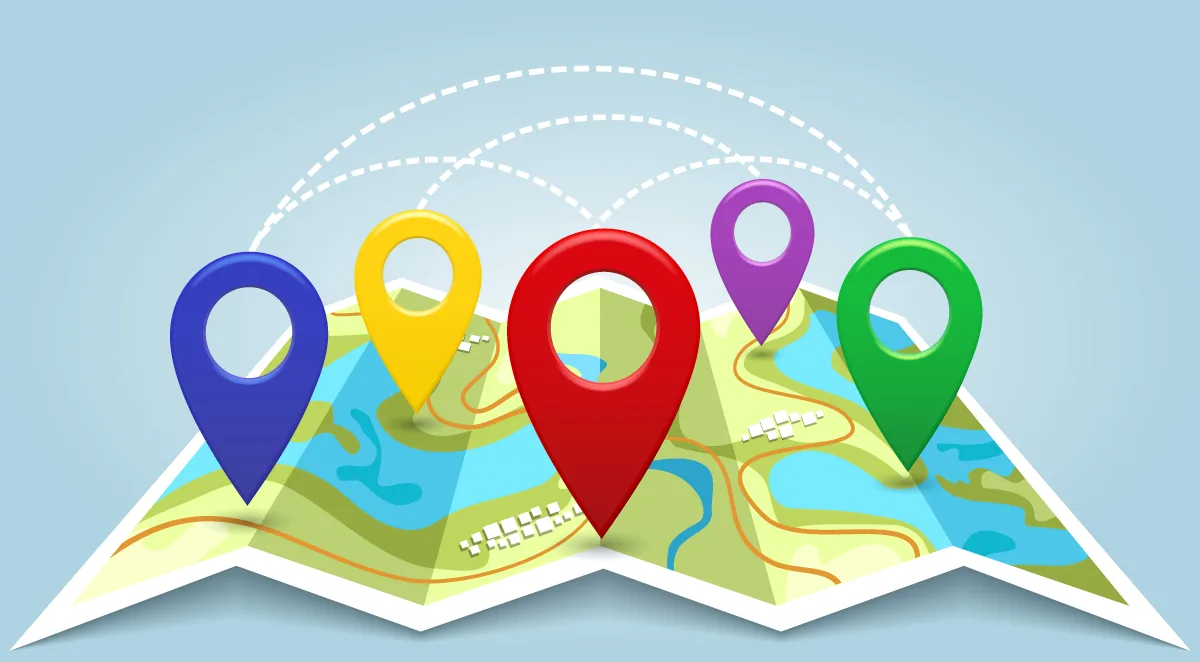
Local search engine optimization (local SEO), also called local link building, refers to optimizing your websites or web pages for better local exposure in the search engines. Local SEO is like organic SEO in that it also is a method affecting the visible presence of a site or a page in the search results of a particular search engine, often called the "organic" or "unpaid" results. Organic search results are those that are generated by the engines based on natural user searches for a given keyword/phrase. These natural searches are what your organic optimization efforts are aimed at.
Written By: Chad J. Treadway | April 10, 2021
Chad is our Chief Smarketing Officer. He will help you survey your small business needs, educating you on your options before suggesting any solution. Chad is passionate about rural marketing in the United States and North Carolina. He also has several certifications through HubSpot to better assist you with your internet and inbound marketing.

When any of us have a question, we often go to the great curiosity and question answering service, also known as Google. Now the question becomes how do you ensure that your business shows up for those searches. To answer this question, you should take a multi-pronged approach.
To increase your rankings in the search engines, primarily Google, and ultimately drive more online visitors to your website, you need to focus on search engine optimization (SEO) and content marketing.
While doing your own SEO is doable, it can be a bit of an overwhelming process, but it doesn’t have to be.
Written By: Chad J. Treadway | April 07, 2021
Chad is our Chief Smarketing Officer. He will help you survey your small business needs, educating you on your options before suggesting any solution. Chad is passionate about rural marketing in the United States and North Carolina. He also has several certifications through HubSpot to better assist you with your internet and inbound marketing.

When marketing, it’s imperative to know who is your target customer or client. You want to make a personal connection on social media and through marketing to make the most impact and defining that audience will help accomplish that task.
Florist Francine. Pastor Paul. General Contractor George. A buyer persona (or marketing persona) is a description of a sample customer that helps you can create marketing materials that will affect that sample customer. It's important to understand who your target audience is so that you can get the most bang for your marketing dollars. Past data from your website, past customers, and social media can help determine who your past audience is. Creating personas for the type of customer you want to work with in the future is important to help your business grow.

Written By: Adam Bennett | March 29, 2021
Adam is the president and founder of Cube Creative Design and specializes in private school marketing. Since starting the business in 2005, he has created individual relationships with clients in Western North Carolina and across the United States. He places great value on the needs, expectations, and goals of the client.

What is inbound marketing? HubSpot’s definition is "Inbound marketing is focused on attracting customers through relevant and helpful content and adding value at every stage in your customer's buying journey. By creating content designed to address the problems and needs of your ideal customers, you attract qualified prospects and build trust and credibility for your business." In other words, inbound marketing is about educating the user through various online media. You may have also heard it called digital marketing or content marketing. The bottom line is you are providing the answers searchers, visitors, prospects, and even clients need when they want them and need them, leading them to seek your business services.
In contrast, traditional or "outbound" marketing involves reaching out to potential customers using advertising, distribution promotions, or sales campaigns in hopes that they need your services now or will remember you when they do need your products or services.
Written By: Chad J. Treadway | March 23, 2021
Chad is our Chief Smarketing Officer. He will help you survey your small business needs, educating you on your options before suggesting any solution. Chad is passionate about rural marketing in the United States and North Carolina. He also has several certifications through HubSpot to better assist you with your internet and inbound marketing.